The short answer
Yes — for a lot of people, and there is real research to back it up. The trick is matching the right fidget to what you actually need: focus, calm, or a quiet outlet for restless hands.
Take the Fidget QuizDo Fidget Toys Actually Work?
The honest, research-backed answer — what fidgeting really does for focus, memory and calm.
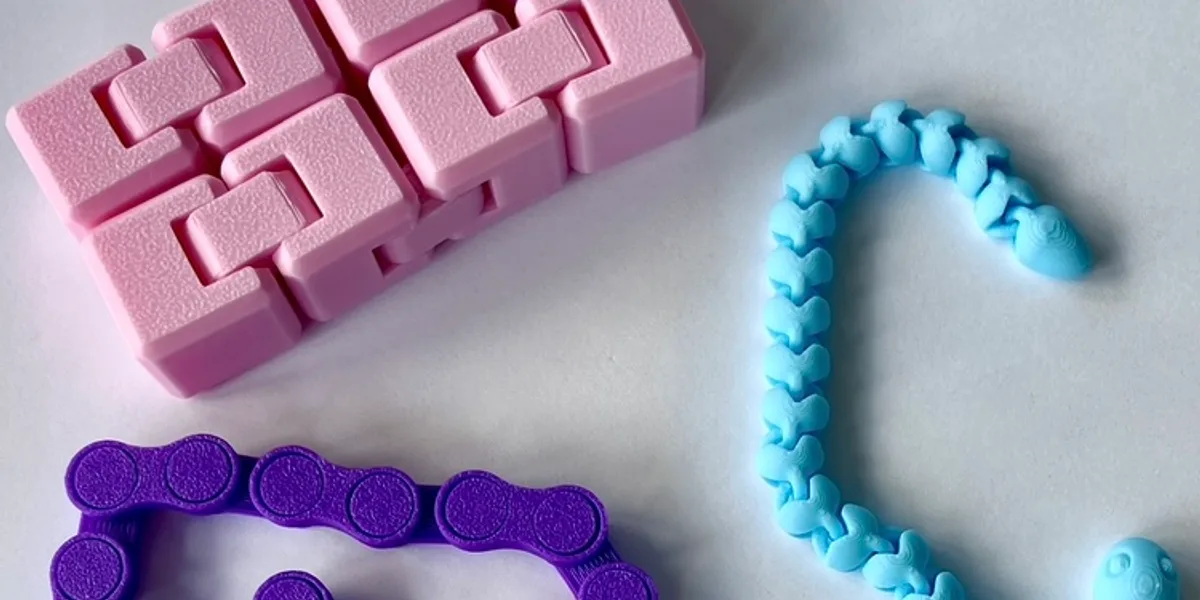
"Do fidget toys actually work, or is it just hype?" It is the question we get asked more than any other. The honest answer is that fidgeting is one of the most studied "small habits" in psychology — and the research is genuinely encouraging.
Below we have pulled together what real studies actually found. We have tried to be straight with you: where the evidence is strong, we say so, and where it has limits, we say that too.
What the research actually found
1. Fidgeting boosted creativity — without hurting focus (Stanford, 2025)
A Stanford-led study published in the Journal of Educational Psychology (Oppezzo, Schwartz and colleagues, 2025) asked school students to complete a creativity task twice: once sitting still in a normal chair, and once on a "wiggle" stool that let them rock and swivel freely.
The vast majority came up with more creative ideas when they were allowed to move. Just as importantly, letting them fidget did not reduce their ability to focus or remember information — directly challenging the old assumption that movement always means distraction.
2. For kids with ADHD, more movement meant better memory
Research by Dustin Sarver and colleagues (Journal of Abnormal Child Psychology) filmed children during working-memory tasks. For most children with ADHD, the more they fidgeted and moved, the better they performed — while children without ADHD tended to do slightly worse when they moved more.
The researchers described the fidgeting as compensatory, not a problem to be stamped out — a way the brain keeps itself at the right level of alertness to do the task in front of it.
3. Doodlers remembered 29% more
In a classic experiment by Jackie Andrade (Applied Cognitive Psychology, 2009), people listening to a dull phone message were asked to either doodle or just listen. The doodlers later recalled 29% more of the details — an average of 7.5 pieces of information versus 5.8 for the non-doodlers.
Doodling is a form of low-level fidgeting. The theory is that giving a restless mind a small, undemanding physical task stops it drifting off into full-blown daydreaming.
So why does keeping your hands busy help?
Across the research, a few consistent ideas come up:
- Arousal regulation — a gentle, repetitive movement nudges an under-stimulated brain up to the alertness level it needs to concentrate.
- A release valve for restlessness — a small outlet for fidgety energy can stop it spilling into bigger, more distracting movement.
- Self-soothing — slow, rhythmic, tactile input is calming, which is why so many people reach for a fidget when they feel anxious or overwhelmed.
- An anchor for a wandering mind — occupying your hands can keep you present during a long meeting, lecture or phone call.
Being honest: what fidget toys can’t do
We would not be doing our job if we oversold this. A few fair caveats:
- Most studies look at fidgeting and movement in general (wiggle stools, doodling, squirming) rather than one specific toy. A fidget toy is simply a convenient, socially-acceptable way to channel that same movement.
- It is individual. Some people focus better with a fidget; others find the wrong one distracting. Matching the fidget to the moment matters — see our buying guide.
- A fidget toy is a helpful tool, not a treatment. It sits alongside good sleep, breaks and support — it does not replace medical advice for ADHD or anxiety.
Which fidget for which job?
If the science has convinced you to give it a proper go, here is where we would start:
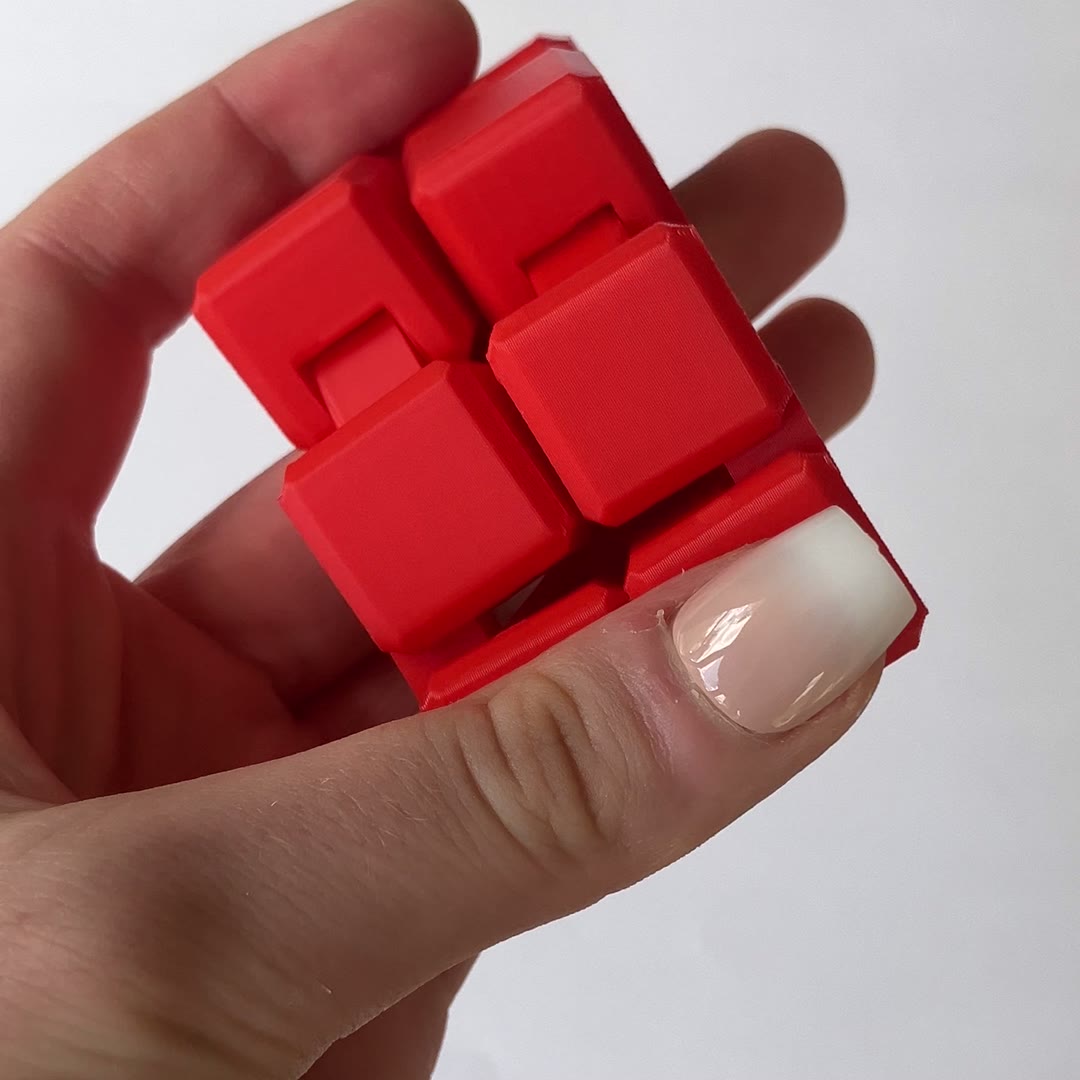
- To focus in a quiet room — a quiet option you can use one-handed under the desk. Browse our quiet fidgets.
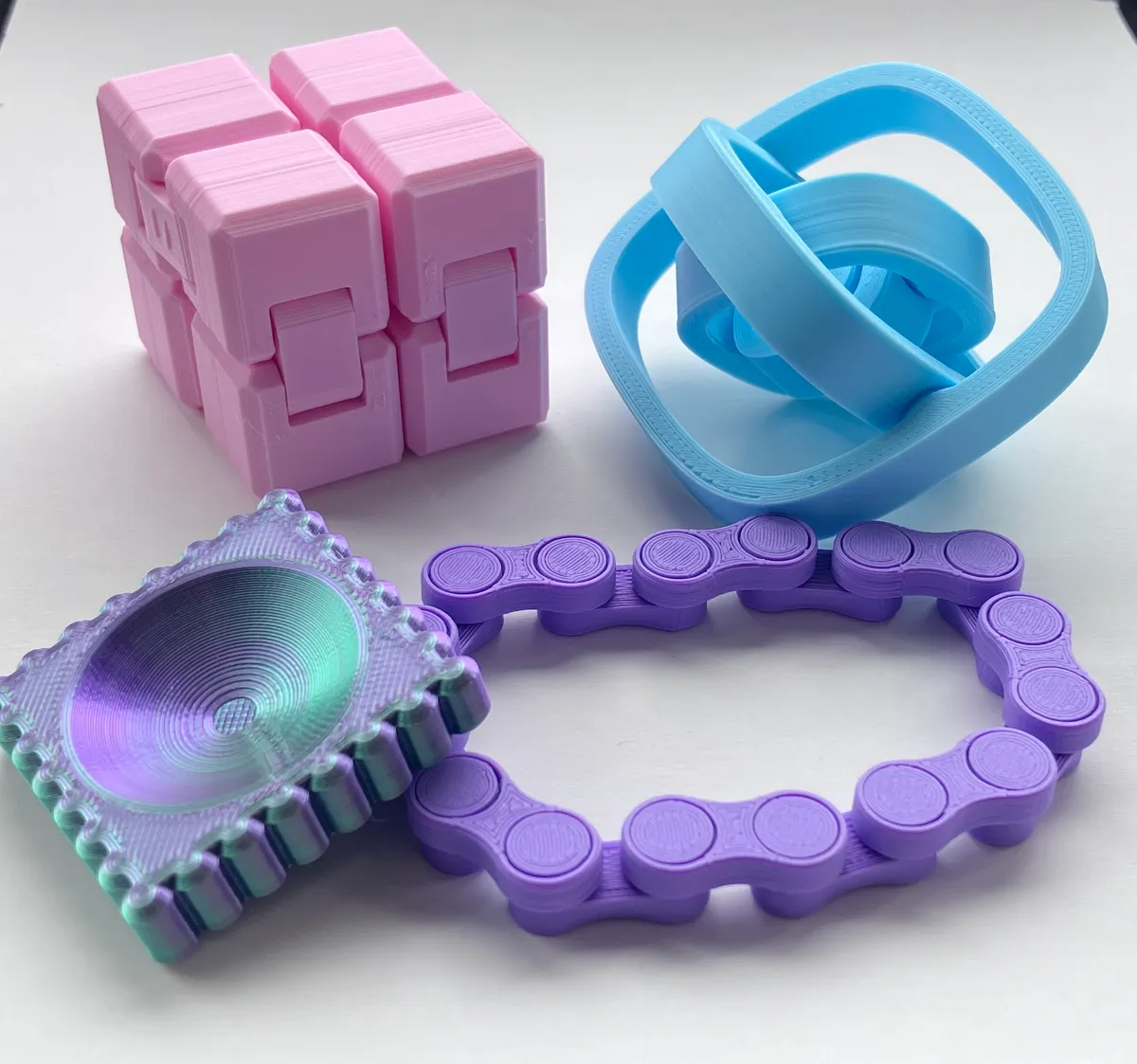
- To calm down — something smooth and rhythmic to run through your fingers, like a worry waffle or a linkloop chain.
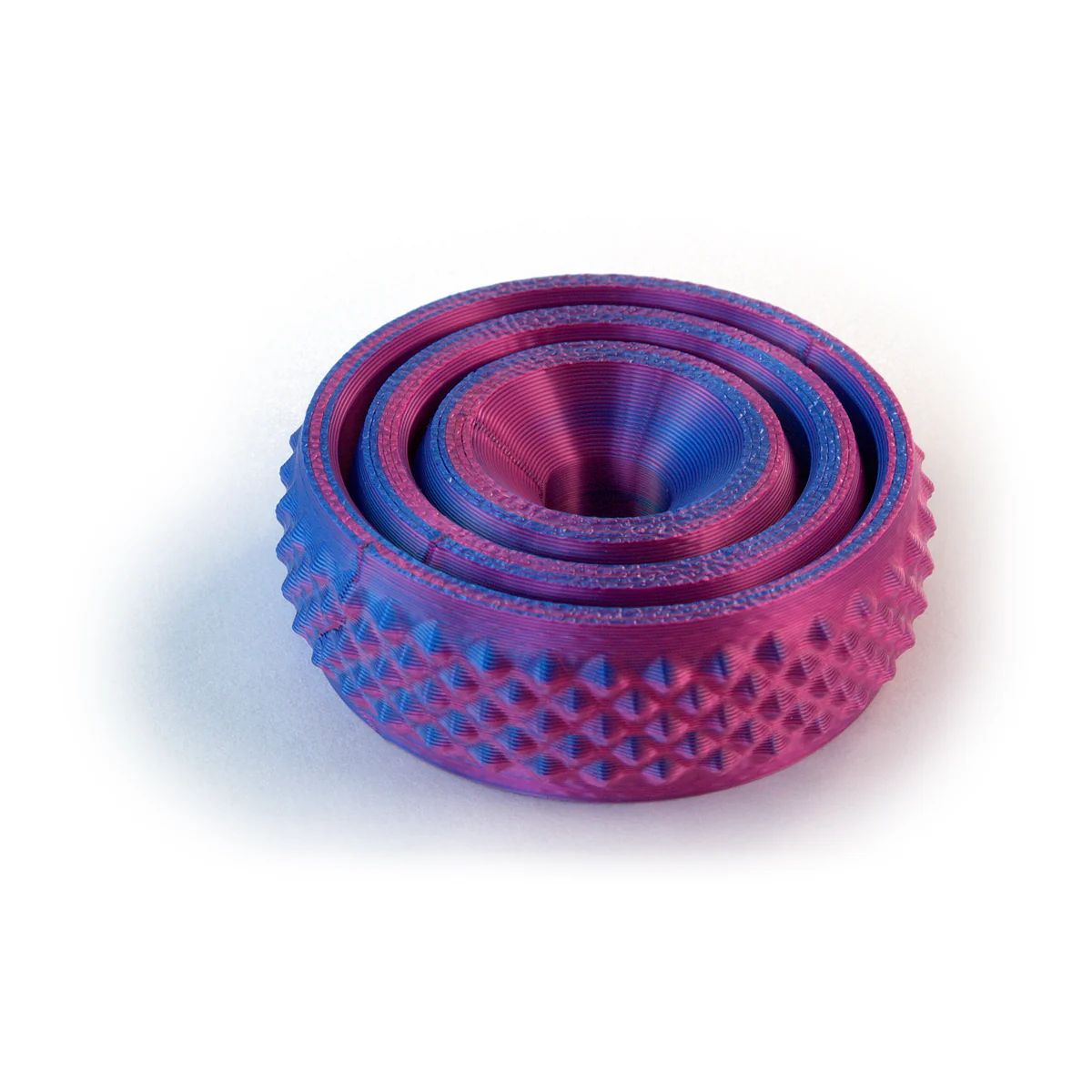
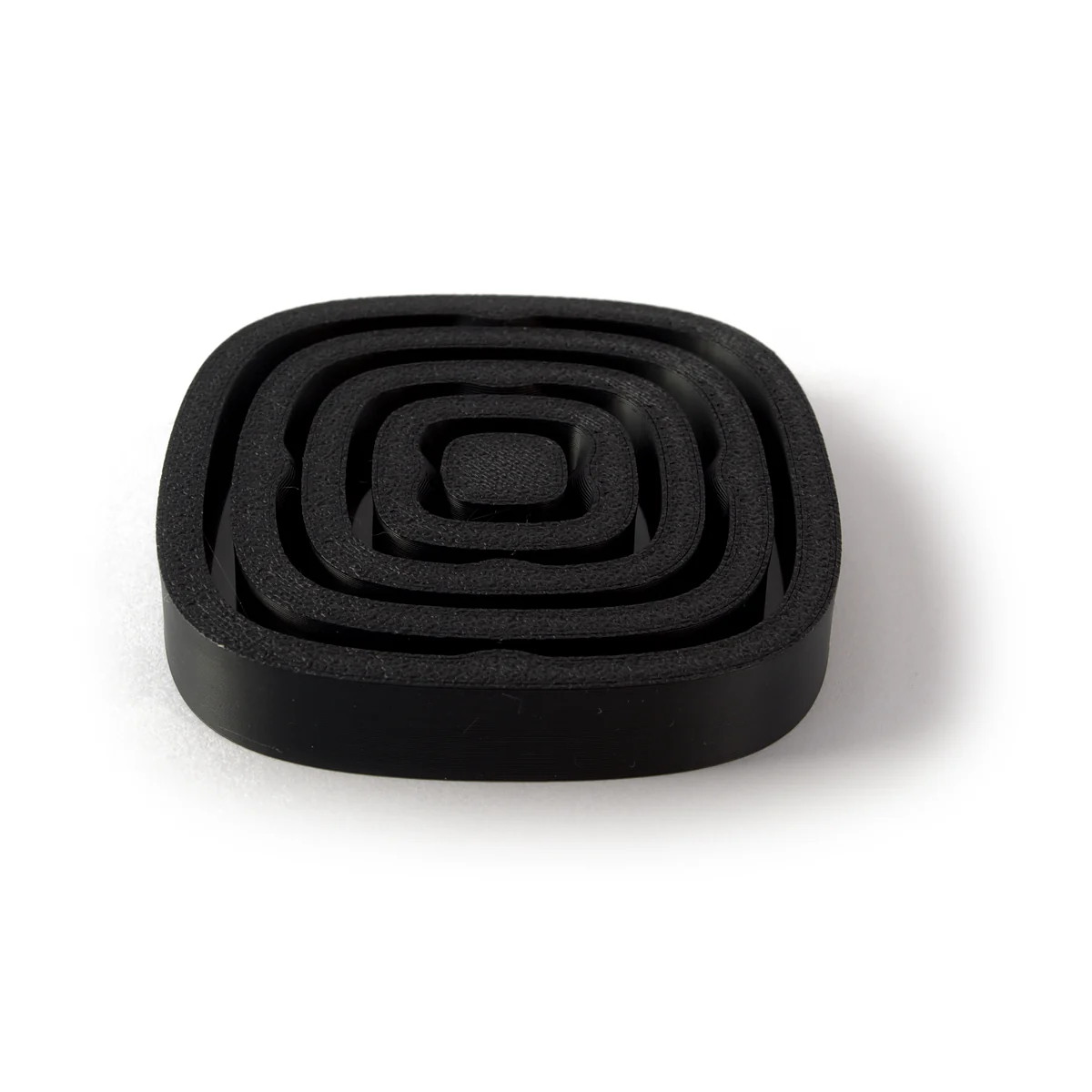
- For busy hands that need a bigger movement — a spinner or a Shapeshifter you can tip and shift and let settle back.
The best evidence of all is your own experience. Pick one that suits how you fidget, use it for a week, and notice the difference — that is everyday satisfaction, backed by science.
References
- Oppezzo, M., Schwartz, D. L., et al. (2025). Sit still or move more? The impact of fidgeting on creativity. Journal of Educational Psychology — Stanford Accelerator for Learning summary.
- Sarver, D. E., Rapport, M. D., et al. Hyperactivity and working memory in children with ADHD. Journal of Abnormal Child Psychology — research summary.
- Andrade, J. (2009). What does doodling do? Applied Cognitive Psychology — ScienceDaily summary.
Find a fidget that works for you
Every fidget we make is designed for a specific feeling — focus, calm or a satisfying outlet for busy hands.
Shop All Fidgets