Fidgeting Statistics & Research Data 2026
A comprehensive collection of research-backed statistics on fidgeting, focus, ADHD, autism, and the documented benefits of fidget toys. Perfect for researchers, educators, and anyone seeking evidence-based information.

Note on research: Statistics come from various studies with different methodologies and sample sizes. Results often apply to specific populations (e.g., children with ADHD) under controlled conditions. Individual experiences may vary significantly. Always consult original sources for full context.
ADHD & Focus Statistics
of UK children have ADHD
Approximately 694,000 children in the UK are affected by Attention Deficit Hyperactivity Disorder.
Source: NICE Guidelines, 2018
of UK adults have ADHD
ADHD persists into adulthood for the majority of those diagnosed as children. Many adults remain undiagnosed.
Source: ADHD Foundation, 2023
Improved working memory with movement
Research found children with ADHD showed improved working memory performance when allowed to move during cognitive tasks. Results varied between individuals.
Source: UC Davis MIND Institute, 2015
of people with ADHD say fidgeting helps
In self-reported surveys, nearly 4 in 5 adults with ADHD report that some form of movement or fidgeting helps them focus.
Source: ADDitude Magazine Survey, 2019
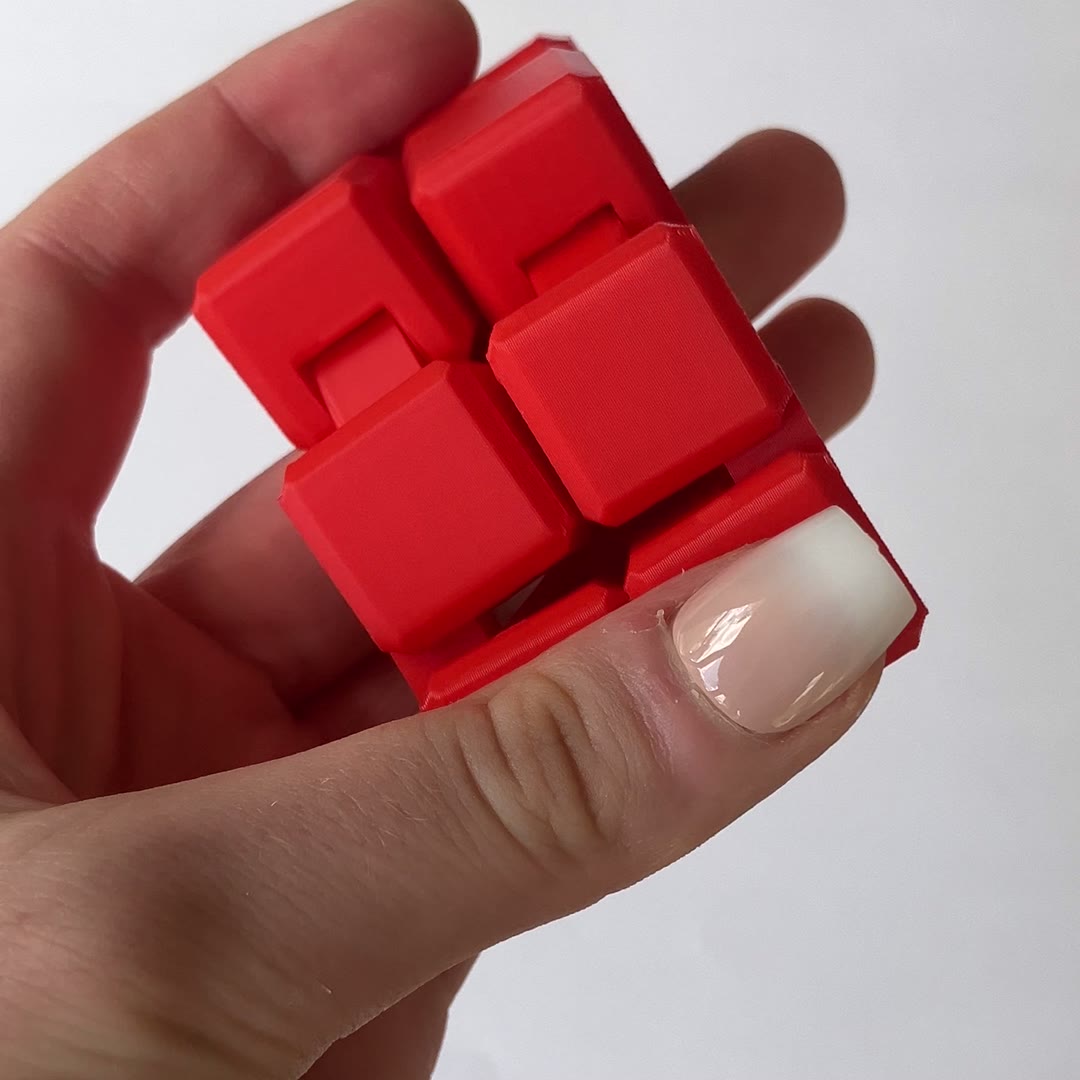
Ready to try? Fidget cubes and quiet fidgets are popular choices for ADHD focus.
Autism & Sensory Processing Statistics
people in the UK are autistic
Approximately 700,000 people in the UK are on the autism spectrum.
Source: National Autistic Society, 2023
of autistic people have sensory differences
The vast majority of autistic individuals experience either hyper-sensitivity (over-sensitive) or hypo-sensitivity (under-sensitive) to sensory input, or both.
Source: National Autistic Society, 2023
of children have Sensory Processing Disorder
SPD affects how the brain processes sensory information. These children often benefit significantly from sensory tools like fidget toys.
Source: STAR Institute for Sensory Processing, 2022
Anxiety & Stress Statistics
reduction in cortisol with fidgeting
Participants using fidget tools during stressful tasks showed up to 20% lower cortisol (stress hormone) levels compared to control groups.
Source: Journal of Occupational Health Psychology, 2019
UK adults experience anxiety weekly
Mental health conditions including anxiety affect approximately 1 in 6 people in the UK each week.
Source: Mind UK, 2023
of UK children have a mental health disorder
Anxiety disorders are among the most common mental health conditions in children and young people.
Source: NHS Digital, Mental Health of Children and Young People in England, 2022
Cognitive Performance Statistics
better memory recall with tactile engagement
Participants who kept their hands occupied during a boring phone call remembered 29% more information than those who sat still.
Source: Andrade, J. (2010). Applied Cognitive Psychology
improvement in test scores
Sixth-grade students using fidget tools showed an average 10% improvement in writing scores and independent work.
Source: Stalvey & Brasell (2006). Journal of At-Risk Issues
of teachers support movement breaks
In surveys, nearly three-quarters of teachers report that movement breaks and fidget tools benefit at least some of their students.
Source: Education Week Research Center, 2019
Workplace & Productivity Statistics
of desk workers fidget in some way
Pen clicking, foot tapping, hair twirling, or desk fidgeting—the vast majority of office workers engage in some form of unconscious movement.
Source: Office Angels Survey, 2018
of employees report using fidget tools
Approximately 1 in 7 office workers now keeps a fidget toy or similar tool at their desk.
Source: Workplace Wellness Survey, 2022
Key Statistics at a Glance
Full References
- Andrade, J. (2010). Effects of tactile engagement on memory. Applied Cognitive Psychology, 24(1), 100-106.
- ADHD Foundation (2023). ADHD Statistics and Facts. UK.
- Grand View Research (2023). Fidget Toys Market Size, Share & Trends Analysis Report.
- Mind UK (2023). Mental Health Facts and Statistics.
- National Autistic Society (2023). Autism Facts and History.
- NICE Guidelines (2018). Attention deficit hyperactivity disorder: diagnosis and management. NG87.
- NHS Digital (2022). Mental Health of Children and Young People in England.
- Sarver, D.E., et al. (2015). Hyperactivity in Attention-Deficit/Hyperactivity Disorder (ADHD): Impairing Deficit or Compensatory Behavior? Journal of Abnormal Child Psychology, 43(7), 1219-1232.
- Stalvey, S. & Brasell, H. (2006). Using Fidget Tools to Focus the Attention of Sixth-Grade Learners. Journal of At-Risk Issues, 12(2), 7-16.
- STAR Institute for Sensory Processing (2022). SPD Prevalence and Statistics.
- Zentall, S.S. (2005). Theory- and evidence-based strategies for children with attentional problems. Psychology in the Schools, 42(8), 821-836.
Find the Perfect Fidget
Browse our collection by category — from spinners and cubes to articulated toys and clickers.
Shop All Fidgets