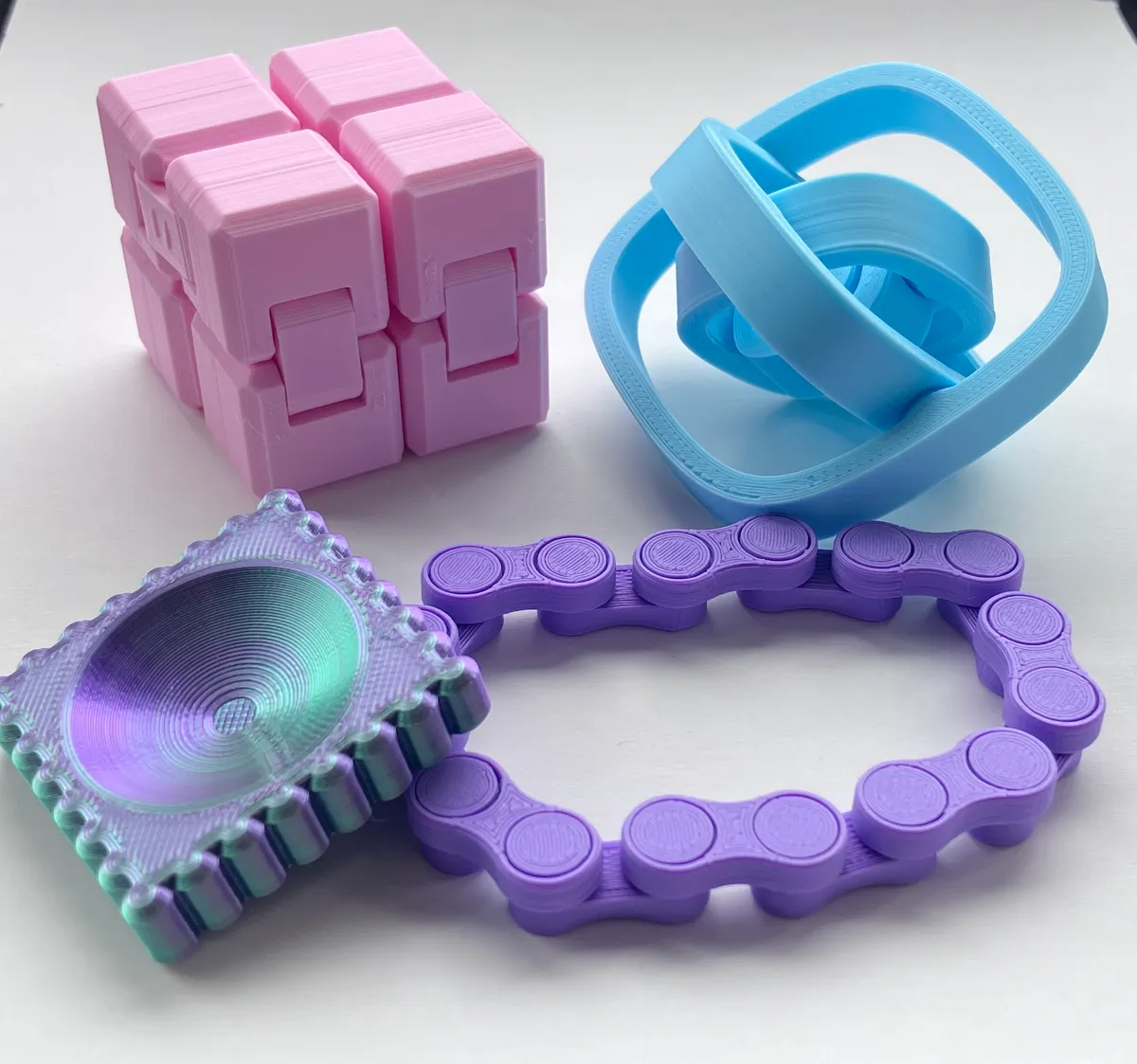
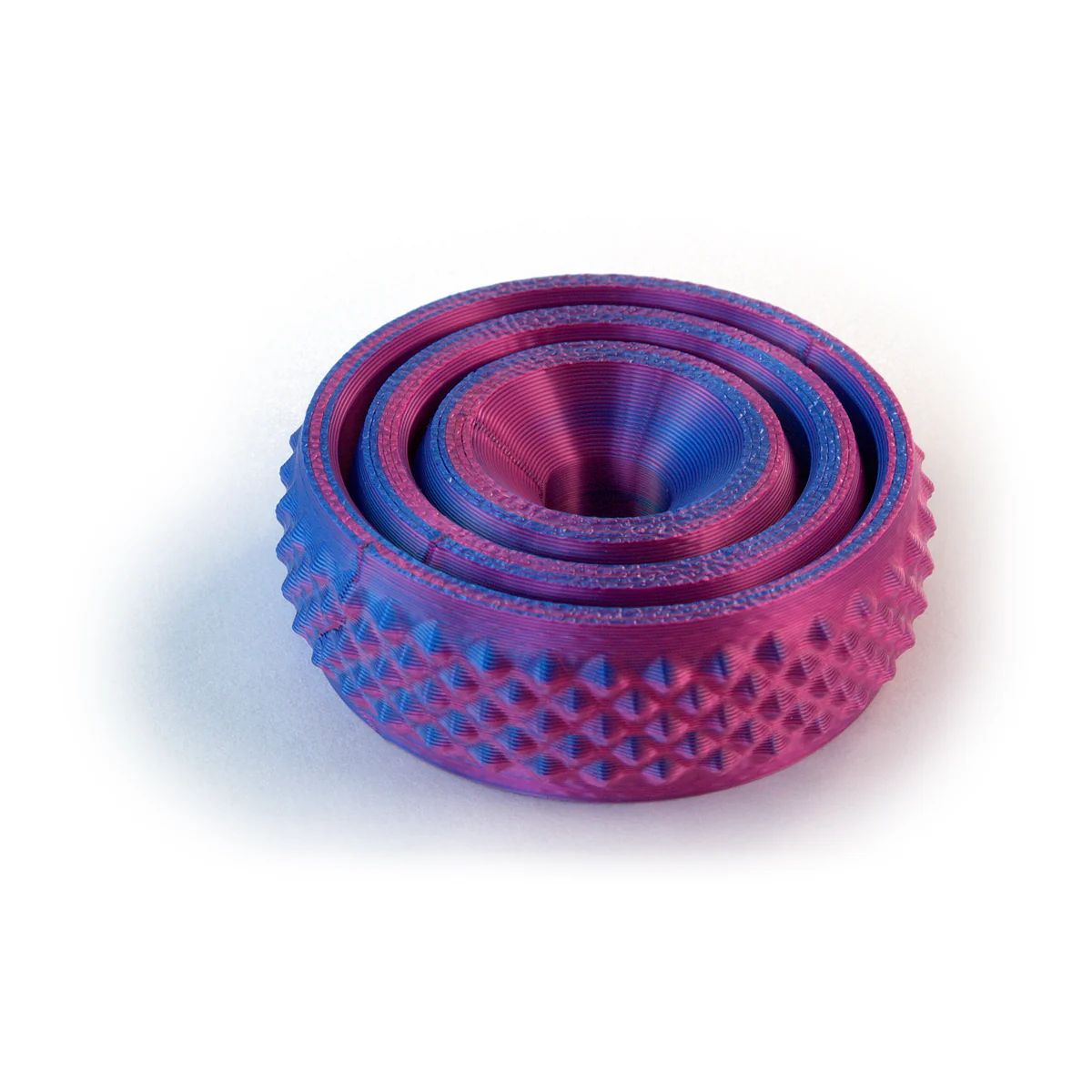
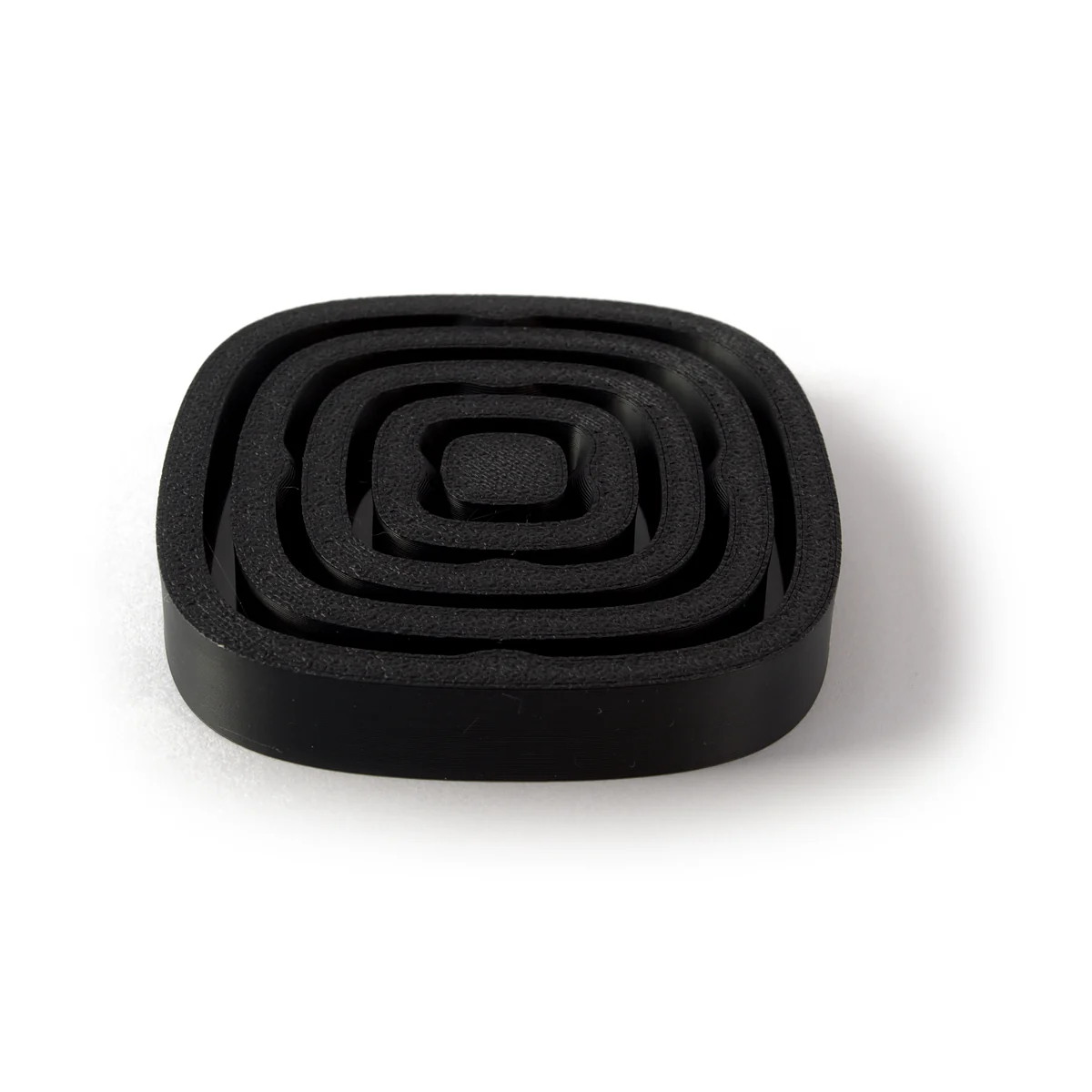
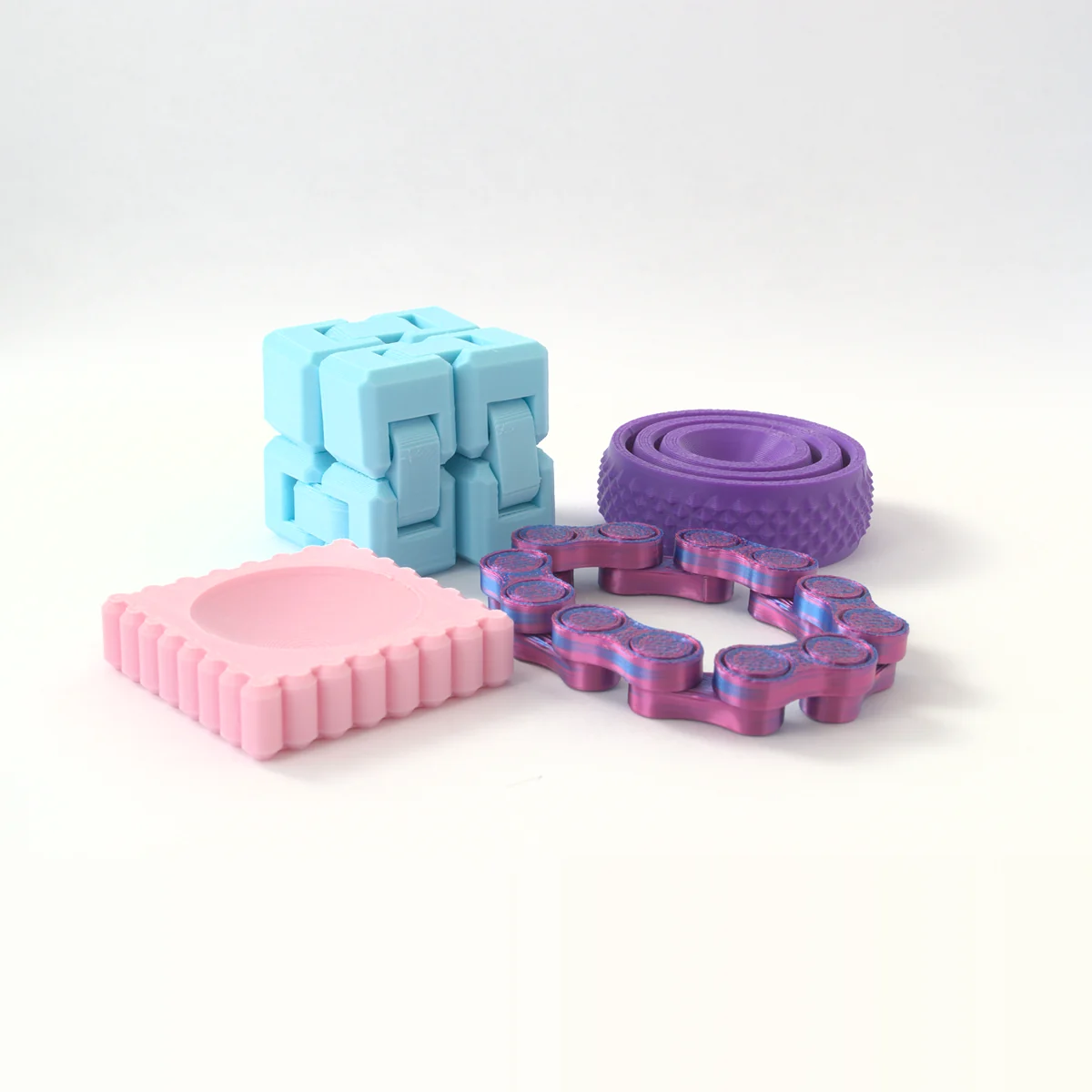
Fidgeting & Focus: A Complete Guide for Parents and Teachers
How to harness the power of fidgeting to improve attention, reduce anxiety, and support better learning outcomes for all children—especially those with ADHD, autism, or sensory processing differences.

I am a...
Why Fidgeting Matters in Learning
For decades, stillness was equated with attention. Children were told to "sit still and focus." We now know this is backwards for many learners.
Research from the University of Central Florida found that children with ADHD who were allowed to move performed significantly better on memory tasks. Movement didn't distract them—it helped their brains stay engaged.
This applies beyond ADHD. Many children—and adults—think better when their hands are occupied. Fidgeting:
- Provides sensory input that keeps the brain alert
- Reduces excess energy that would otherwise cause restlessness
- Decreases anxiety, which interferes with learning
- Gives an outlet for nervous energy during tests or presentations
For Parents: Supporting Your Child at Home and School
Recognising When Fidgeting Helps
Not all fidgeting is beneficial. Watch for patterns:
Helpful fidgeting looks like:
- Your child engages with a fidget while maintaining eye contact or listening
- Task completion improves when allowed to fidget
- Anxiety decreases (fewer meltdowns, calmer responses)
- The fidgeting is almost unconscious—they're not focused on the toy
Distracting fidgeting looks like:
- The fidget becomes the focus rather than the background activity
- They stop listening or working when fidgeting
- It escalates to throwing, trading, or competitive behaviour
- Other children are distracted by it
Choosing the Right Fidget for Your Child
Consider your child's sensory preferences:
Sensory Seekers
Children who crave intense input, often described as "always on the go"
Try: Textured toys, stretchy materials, articulated figures with satisfying joints
Sensory Avoiders
Children who are easily overwhelmed by too much stimulation
Try: Quiet fidgets, silent cubes, smooth texture fidgets
Visual Processors
Children who learn by watching, often doodle while listening
Try: Spinners (for home), infinity cubes, shapeshifting toys
Kinesthetic Processors
Children who need movement, struggle to sit still
Try: Fidget cubes with switches, articulated toys, desk-based movement options
Working with Your Child's School
If your child benefits from fidgeting, proactive communication with school is essential.
Steps to advocate effectively:
- Document at home first. Keep notes on how fidget tools help your child focus, complete homework, or stay calm. Concrete examples are powerful.
- Request a meeting. Ask to speak with the class teacher and SENCO if applicable. Come prepared with your observations.
- Propose a trial. Suggest a 2-week trial period with agreed guidelines. Offer to provide the fidget toy.
- Agree on guidelines together. Silent toys, kept at desk level, not shared. Get agreement in writing if needed.
- Follow up. Check in after the trial. What worked? What needs adjusting?
"Under the Equality Act 2010, schools must make reasonable adjustments for children with disabilities, including ADHD and autism. A fidget toy is often a straightforward, cost-free adjustment that can significantly improve a child's learning experience." — SEN Legal Framework, UK
Homework Time Strategies
Homework is often when focus struggles become most apparent. Try these approaches:
- Designated fidget time: Let your child fidget freely for 5 minutes before homework begins
- Movement breaks: 5-10 minute breaks for every 20-30 minutes of focused work
- Background fidget: Keep an approved fidget available during homework without comment
- Alternative seating: Wobble cushions, standing desks, or exercise balls can help
For Teachers: Implementing Fidget Tools in the Classroom
The Research Case
Before implementing fidget policies, it helps to understand the evidence:
- Dr. Sydney Zentall's research at Purdue University shows that optimal stimulation theory applies in classrooms—children need a certain level of stimulation to focus, and fidgeting can provide it.
- The Journal of Abnormal Child Psychology (2015) found that movement is functional for children with ADHD, not a deficit to be eliminated.
- Occupational therapy literature consistently supports sensory tools as legitimate focus aids.
How to Introduce Fidgets in Your Classroom
Educate the class
Explain what fidget toys are and why some students use them. Normalise their use as a focus tool, not a privilege or reward. Use language like "Some brains focus better when hands are busy."
Set clear guidelines
Establish rules: toys must be silent, used at desk level (not visible to others), and not shared, thrown, or traded. Create a "try it" period for evaluation.
Start with approved options
Provide a selection of teacher-approved fidget toys (or have parents purchase from an approved list). This prevents distracting toys from home and ensures appropriateness.
Monitor and adjust
Observe which students benefit and which become distracted. Adjust permissions individually based on observed outcomes, not assumptions.
Communicate with parents
Send home information about your fidget policy. Encourage consistency between home and school approaches. This prevents "but mum lets me use my spinner!"
Sample Classroom Fidget Policy
Fidget Tool Guidelines - [Class Name]
Fidget tools are allowed in our classroom as focus aids. To ensure they help rather than distract, please follow these rules:
- Fidgets must be silent (no clicking, popping, or spinning sounds)
- Fidgets must stay at desk level (below the desktop, out of sight of others)
- Fidgets are personal tools (no sharing, trading, or throwing)
- If a fidget becomes distracting (to you or others), it will be kept by the teacher until the end of the day
- Fidgets are not allowed during tests unless specified in an IEP/EHCP
Questions? Speak to [Teacher Name] or your parents.
Handling "But I Want One Too!"
When one child has a fidget toy, others often want one. Here's how to handle this fairly:
Option 1: Universal access. Provide a class set of approved fidgets that any student can use. This normalises their use and removes stigma.
Option 2: Need-based with explanation. Explain that different students have different needs. "Just like some students wear glasses to see better, some students use fidgets to focus better." Most children understand this with proper framing.
Option 3: Trial period for all. Let any student try a fidget for a week. Those who genuinely benefit will naturally continue; those who don't will lose interest.
Red Flags: When Fidgets Aren't Working
Remove or replace a fidget if you observe:
- The student watches the fidget instead of the lesson
- Other students are distracted by it
- It becomes a social object (trading, showing off)
- The student's work quality or participation decreases
- It causes conflict or jealousy in the classroom
These aren't failures—they're data points. Try a different type of fidget or alternative movement strategy.
Find the Perfect Fidget for Your Child
Browse our full collection of ADHD-friendly fidget toys.
Shop All FidgetsThe Bottom Line
Fidgeting isn't a problem to solve—it's often a solution in disguise. When we work with a child's natural movement needs rather than against them, we create space for better focus, reduced anxiety, and improved learning outcomes.
Whether you're a parent advocating for your child or a teacher creating an inclusive classroom, understanding the science of fidgeting empowers you to make informed decisions that genuinely help children thrive.
References & Further Reading
- Sarver, D.E., et al. (2015). Hyperactivity in ADHD: Impairing Deficit or Compensatory Behavior? Journal of Abnormal Child Psychology.
- Zentall, S.S., & Zentall, T.R. (1983). Optimal stimulation: A model of disordered activity and performance in normal and deviant children. Psychological Bulletin.
- Equality Act 2010, Chapter 15. UK Government Legislation.
- SEND Code of Practice (2015). Department for Education, UK.