Ultimate Fidget Toy Buying Guide 2026
With hundreds of fidget toys on the market, finding the right one can feel overwhelming. This comprehensive guide breaks down every type, helps you match features to your needs, and ensures you make the perfect choice.

Types of Fidget Toys
Cubes
Multi-sided devices with different activities on each face—buttons, switches, dials, rollers, and textures.
Best for: ADHD, anxiety, meetings
Spinners
Balanced devices that spin around a central bearing. Classic fidget toy design with mesmerising motion.
Best for: Visual processors, desk use, breaks
Flexi Pals
Segmented figures (dragons, snakes, lizards) with joints that flex and pose. Combines fidgeting with creative play.
Best for: Creative minds, collectors, all ages
Shapeshifters
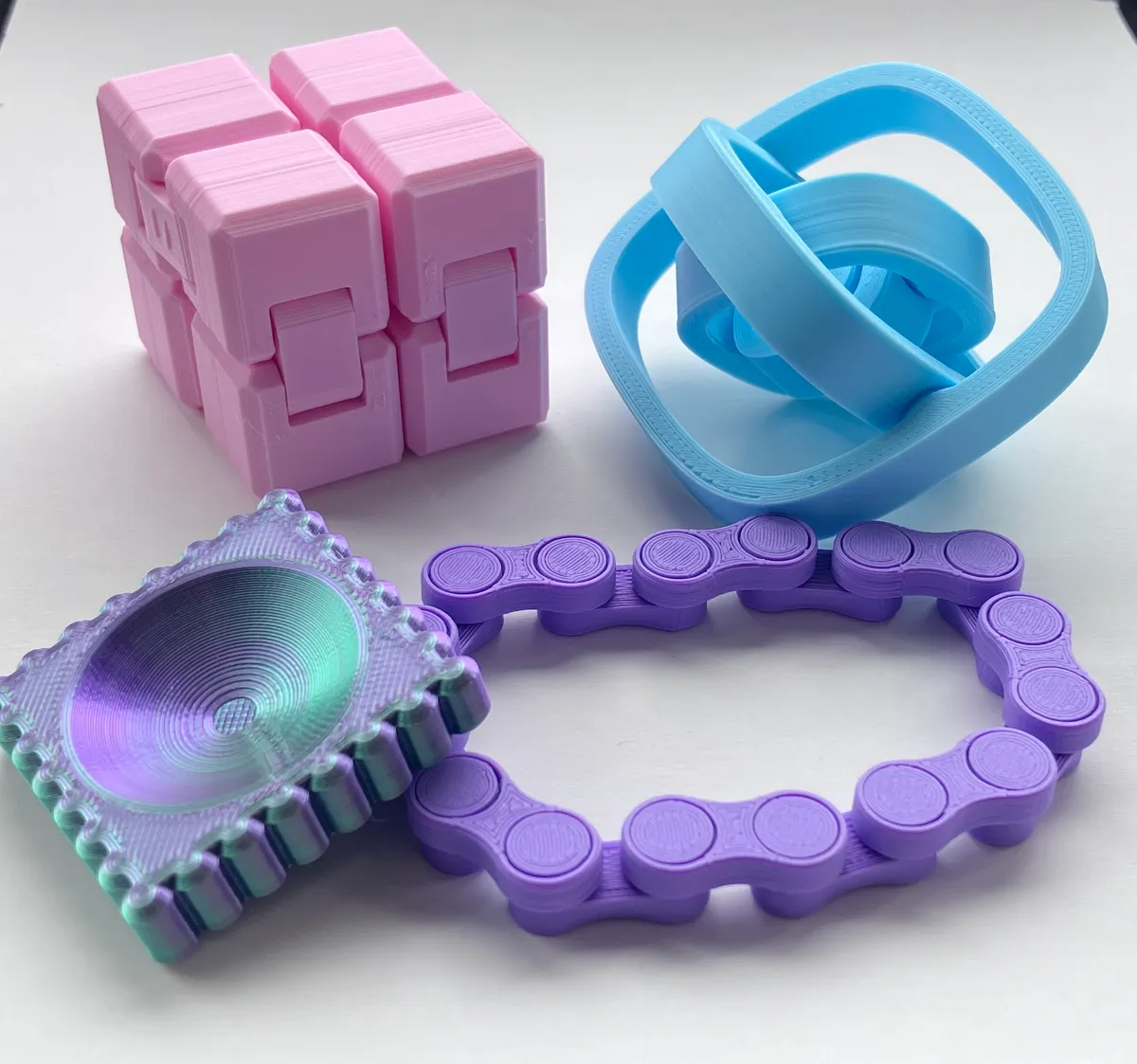
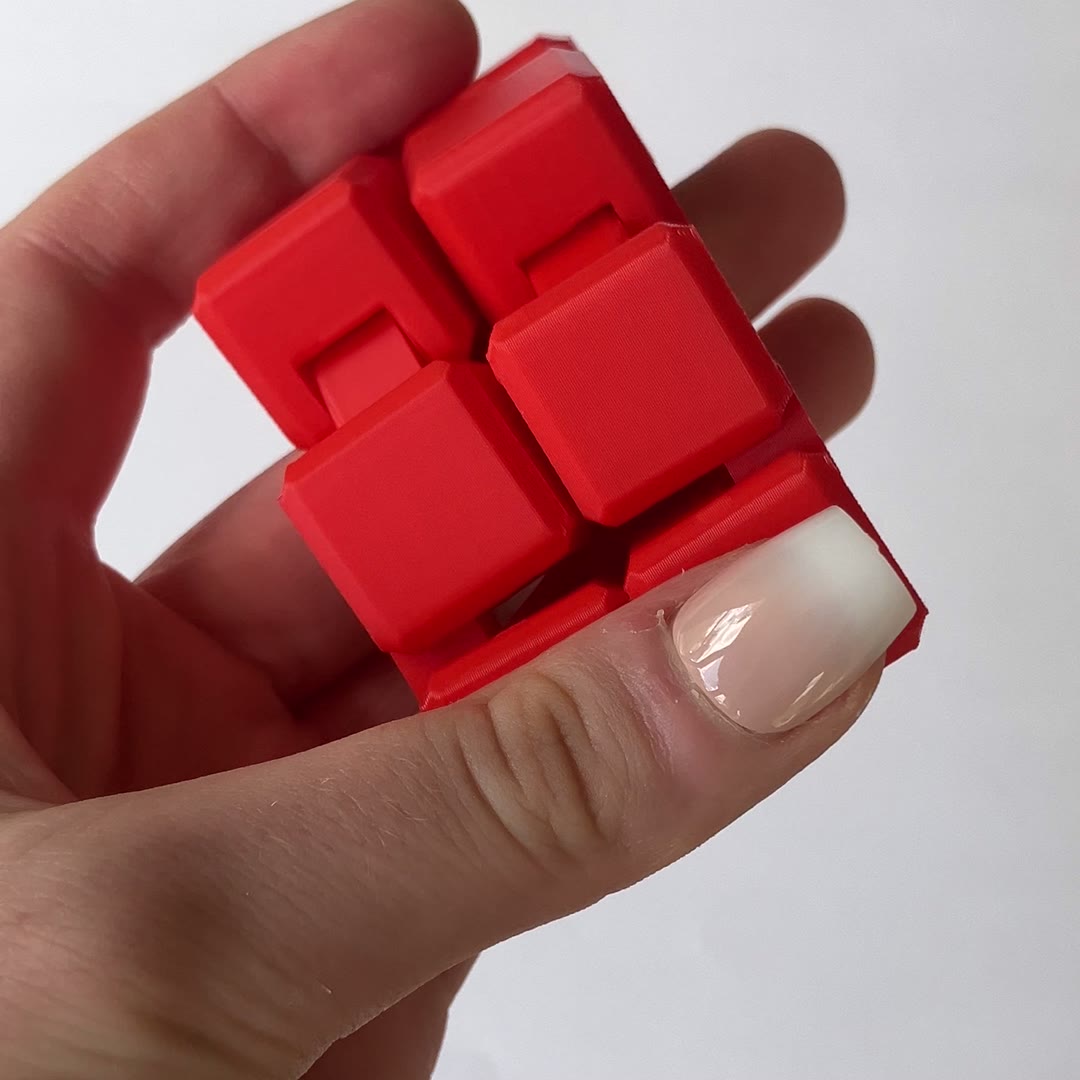
Transformable toys that fold, twist, or reconfigure into different shapes. Infinity cubes, magic balls, and puzzle boxes.
Best for: Problem solvers, puzzle lovers
Choosing by Need
For ADHD
People with ADHD benefit most from fidget toys that provide consistent tactile stimulation without visual distraction. The goal is to occupy the part of the brain that seeks stimulation, freeing up cognitive resources for the primary task.
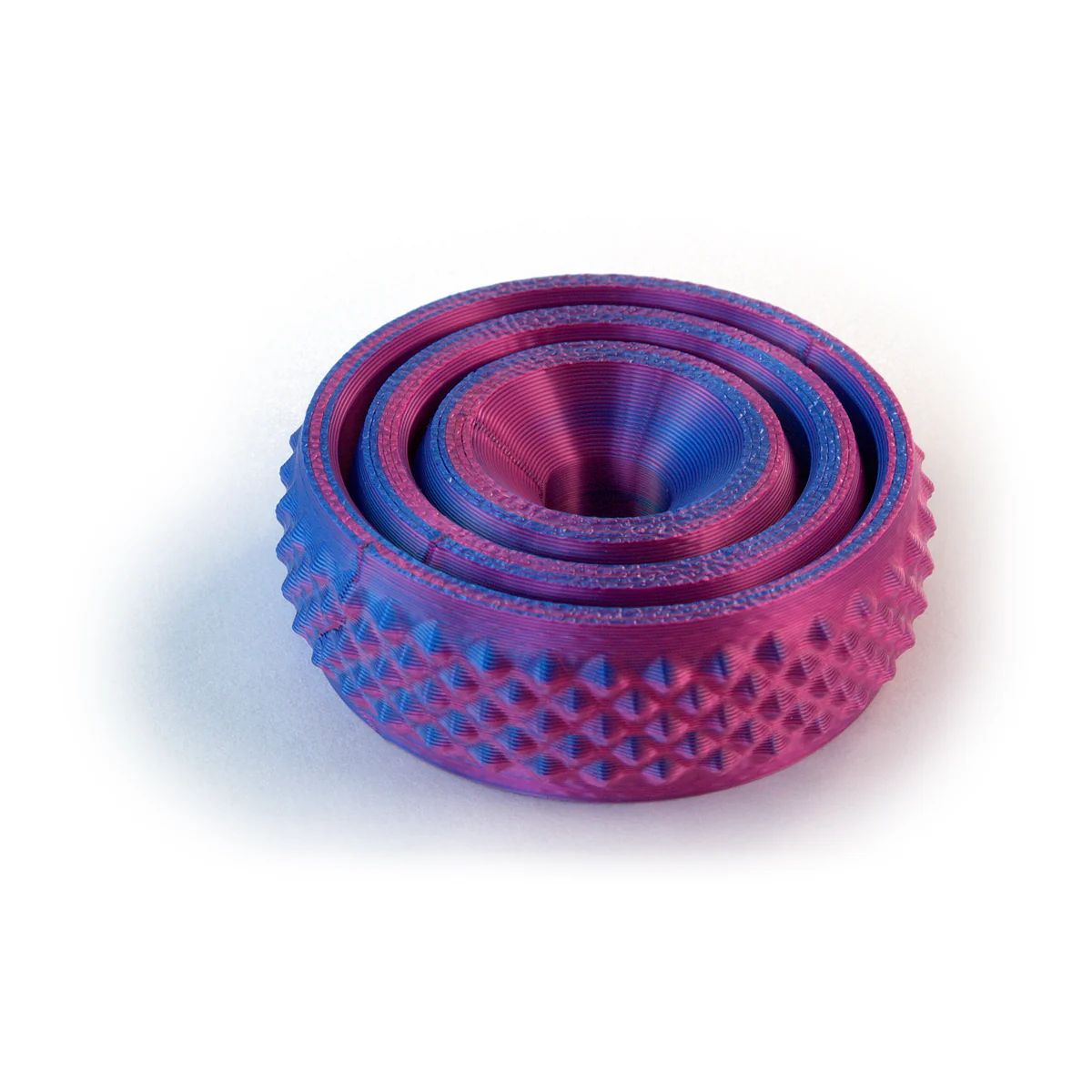
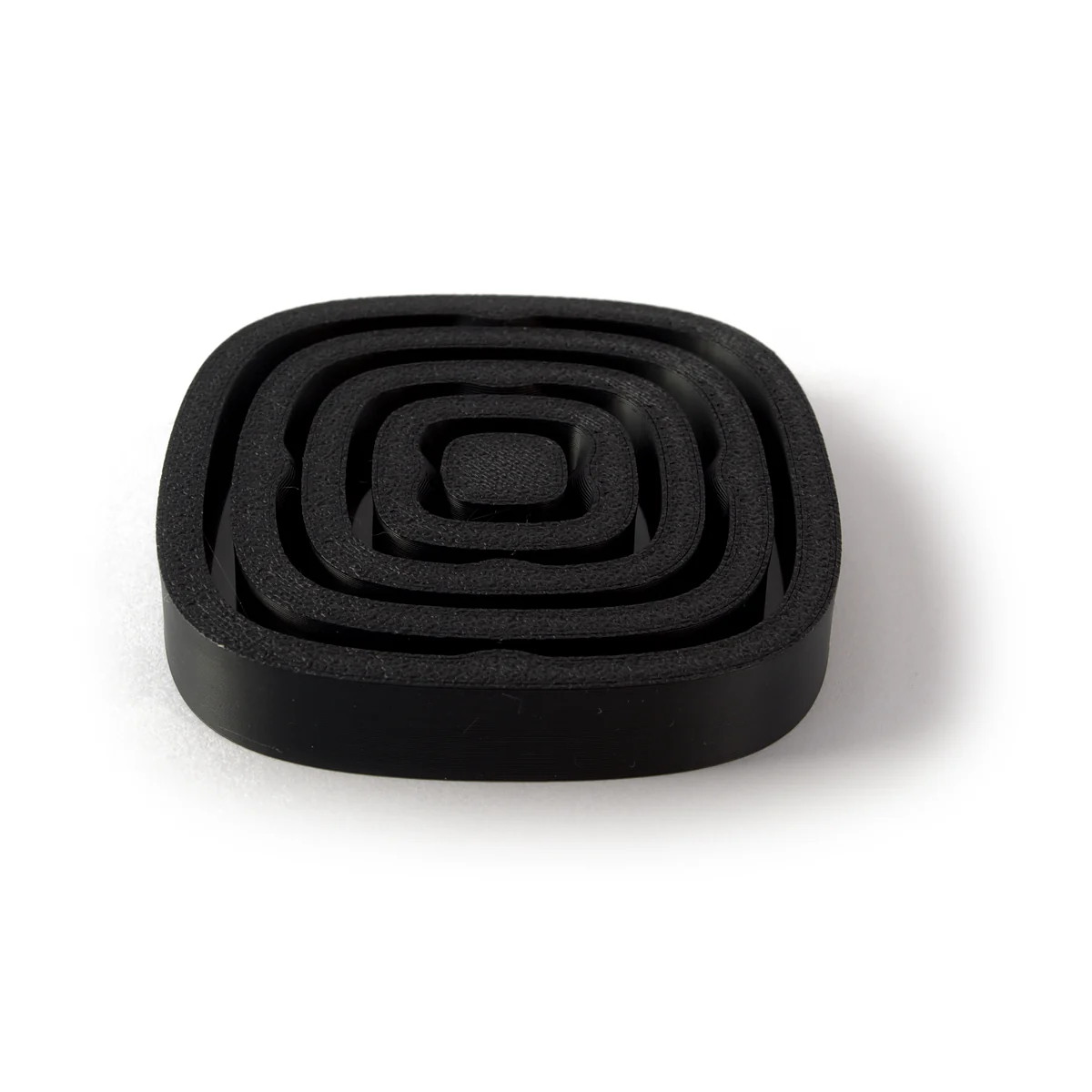
Recommended: Fidget cubes, quiet fidgets, the Worry Waffle, articulated toys
Avoid: Bright spinners, toys with lights, anything that requires watching
For Autism / Sensory Processing
Autistic individuals often have specific sensory preferences. Some seek intense sensory input (sensory seekers) while others are easily overwhelmed (sensory avoiders).
For seekers: Textured toys, stretchy materials, toys with satisfying clicks
For avoiders: Smooth surfaces, silent operation, predictable movements
For Anxiety
Anxiety-focused fidget toys should promote calm through rhythmic, repetitive motion. The regularity helps activate the parasympathetic nervous system.
Recommended: Quiet fidgets, smooth infinity cubes, the Flexi Snake
Avoid: Complex toys that require problem-solving (adds mental load)
For Work/Meetings
Professional settings require toys that are silent, subtle, and one-handed.
Recommended: Silent fidget cubes, tactile rings, small articulated toys, desk-based options
Avoid: Anything with clicking, spinning visible to others, or that requires looking at
Age Considerations
| Age Group | Recommended Types | Safety Notes |
|---|---|---|
| 3+ | Large sensory toys, textured balls | No small parts, supervise at all times |
| 3-6 years | Simple spinners, basic cubes, squeeze toys | Durable materials, no detachable parts |
| 6-12 years | All types suitable, articulated toys popular | Consider classroom policies |
| Teens | Subtle designs, "cool" aesthetics | Discretion often important at this age |
| Adults | Desk toys, professional-looking options | Silent options for office use |
Key Features to Look For
1. Sound Level
Perhaps the most important consideration for shared spaces. Test or check reviews for noise levels. "Silent" marketing claims aren't always accurate.
2. Durability
Fidget toys get heavy use. Look for:
- Quality materials (metal bearings, solid plastics)
- Good reviews mentioning longevity
- Warranty or return policy
3. Size and Portability
Consider where you'll use it most. Pocket-sized for school/work, larger for desk use, keychain options for always-available access.
4. Material Safety
Check what a toy is made of, and check it is age-marked for the person using it. Our products are made from plant-based PLA plastic and carry the UKCA mark, with a 3+ age marking.
5. One-Hand vs Two-Hand Operation
For multitasking (writing, typing, phone calls), one-handed operation is essential.
Quick Comparison Chart
| Type | Silent | One-Hand | Discreet | ADHD | Anxiety | Price |
|---|---|---|---|---|---|---|
| Fidget Cube | Varies | Yes | Yes | Excellent | Good | £3.49 |
| Spinner | Yes | Yes | No | Fair | Fair | £2.99-3.99 |
| Articulated | Varies | Yes | Varies | Excellent | Good | £1-7.99 |
| Shapeshifter | Varies | Yes | Varies | Good | Good | £1.50-4.99 |
Frequently Asked Questions
What is the best fidget toy for ADHD?
Are fidget toys good for anxiety?
What age are fidget toys suitable for?
Should fidget toys be silent?
How many fidget toys should I have?
Ready to Find Your Perfect Fidget?
Browse by category — spinners, cubes, articulated toys, quiet fidgets, clickers and more.
Shop All Fidgets