5 Ways Fidgeting Reduces Anxiety (Backed by Science)
It's not just in your head - there's real science behind why fidgeting helps.

For years, fidgeting was seen as a bad habit. Now research is catching up with what fidgeters have always known: movement helps manage anxiety.
1. Fidgeting Releases Nervous Energy
When you're anxious, your body enters a state of heightened arousal. Adrenaline and cortisol flood your system, preparing you for "fight or flight." But if there's no physical threat, that energy has nowhere to go.
Fidgeting provides a physical outlet for this nervous energy. Studies show that repetitive movements help discharge the excess arousal, bringing your nervous system back to baseline.
Research: Some studies suggest fidgeting may help reduce stress hormones, though results vary between individuals and situations.
2. Repetitive Motion Is Self-Soothing
Repetitive movements activate the parasympathetic nervous system - the "rest and digest" mode that counteracts anxiety. This is why babies find rocking soothing, and why adults pace when nervous.
Fidget toys channel this instinct into a discrete, socially acceptable action. The rhythmic motion of spinning, clicking, or manipulating a fidget triggers the same calming response.
3. Fidgets Provide Sensory Grounding
Anxiety often involves racing thoughts and "catastrophising" - getting lost in worst-case scenarios. Grounding techniques work by anchoring your attention to the present moment through sensory input.
A fidget toy provides immediate sensory feedback - the texture, weight, and movement demand some of your attention, pulling you out of anxious thought spirals.
4. Movement May Support Healthy Brain Chemistry
Physical movement is generally associated with positive effects on brain chemistry. Researchers believe that even small movements like fidgeting may help support healthy levels of neurotransmitters associated with mood and focus.
While the exact mechanisms aren't fully understood, many people report that fidgeting helps them feel more calm and focused - likely through a combination of physical and psychological effects.
Research: The Journal of Abnormal Child Psychology found that movement improved working memory and reduced anxiety symptoms in both children and adults.
5. Fidgets Redirect Unhealthy Coping Behaviours
Anxiety often manifests as unhealthy habits: nail biting, skin picking, hair pulling. These behaviours can cause real damage and often worsen anxiety through shame and physical discomfort.
A fidget toy provides an alternative outlet for the same urge. Many people report that having a fidget available significantly reduces their nail biting or skin picking.
Best Fidgets for Anxiety
For anxiety specifically, choose fidgets that are:
- Quiet - Noise can increase self-consciousness
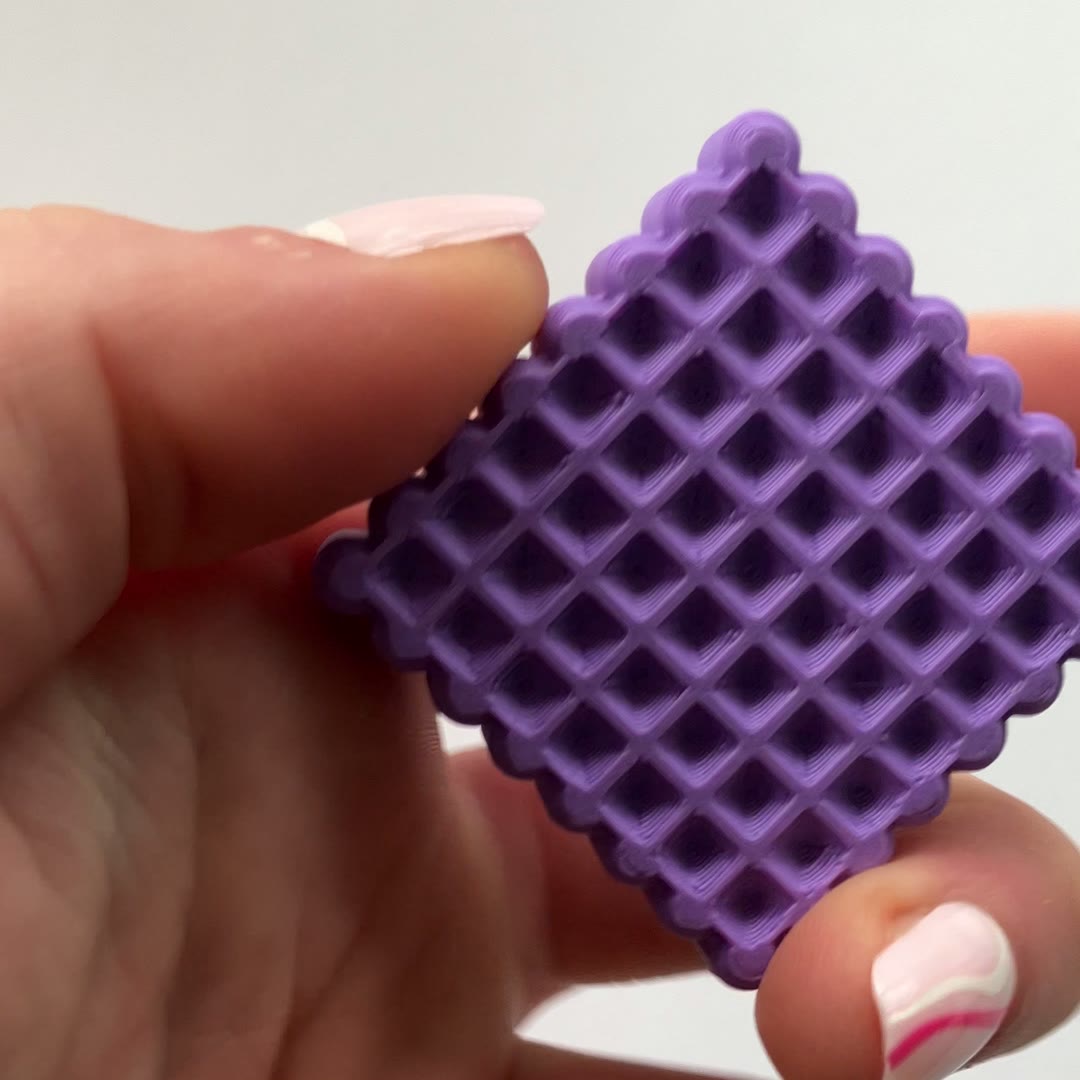
- Smooth/textured - Tactile input is grounding
- Repetitive - Rhythmic motion is most soothing
Our top picks for anxiety:
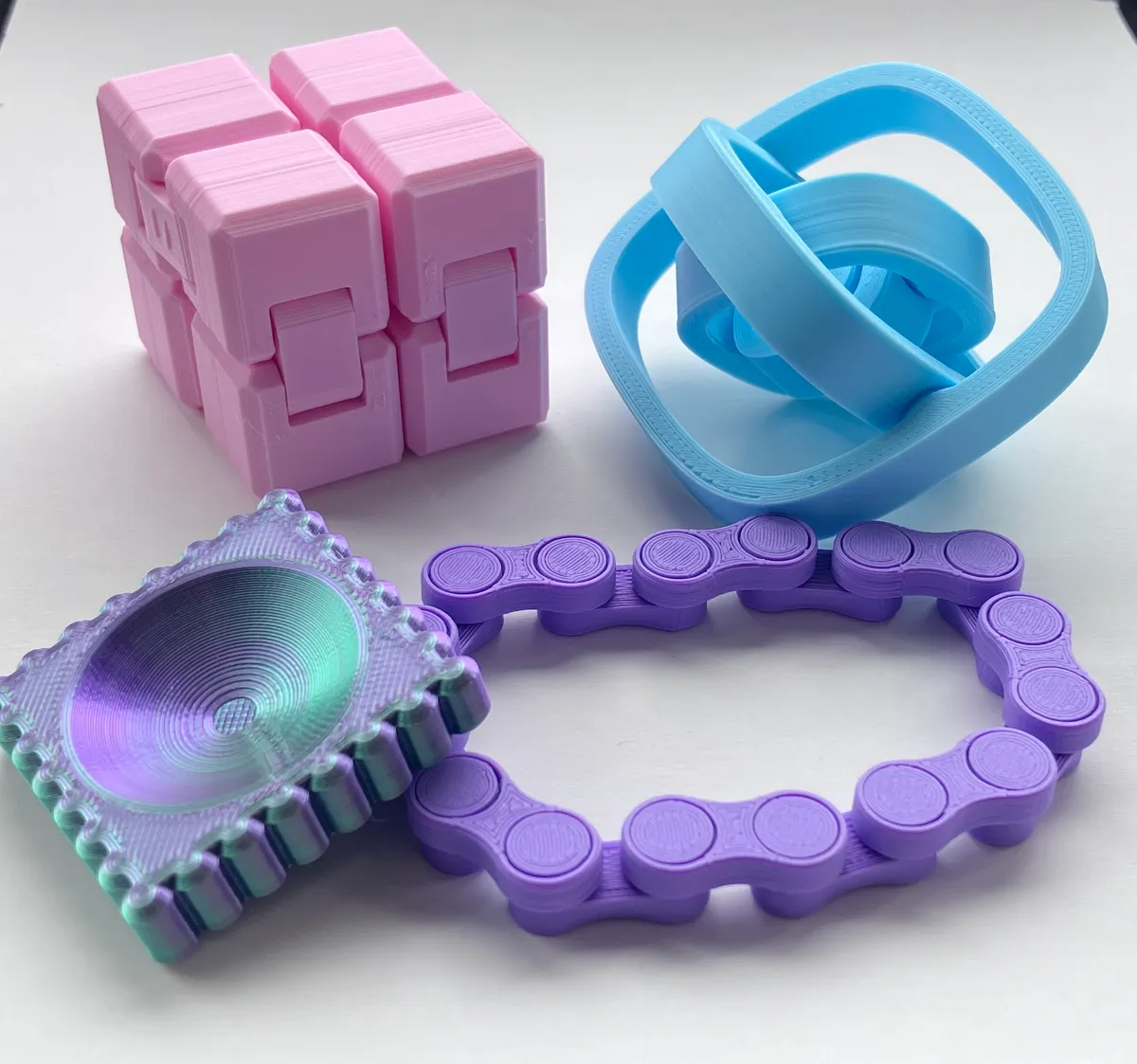
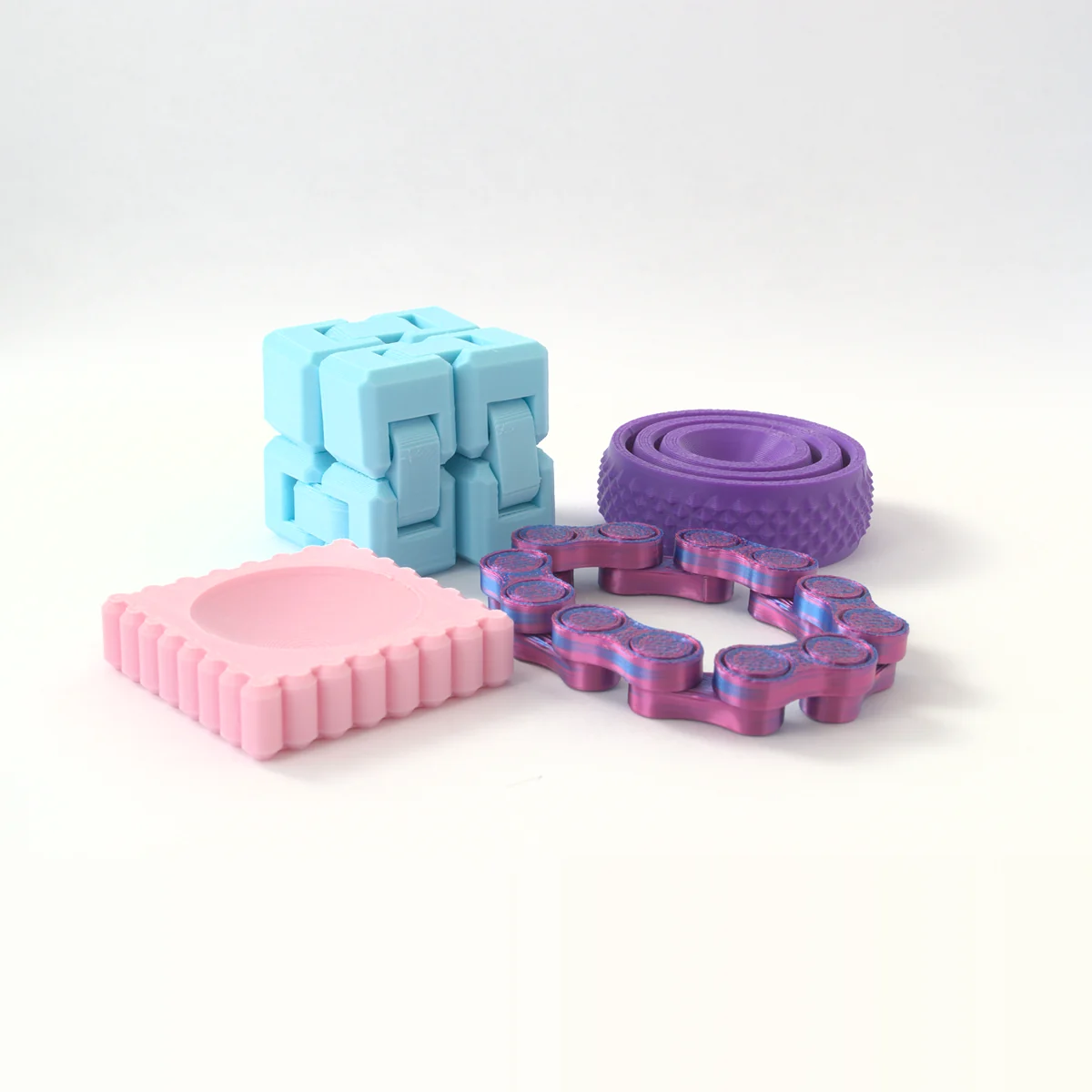
- Quiet Fidgets - Silent and soothing
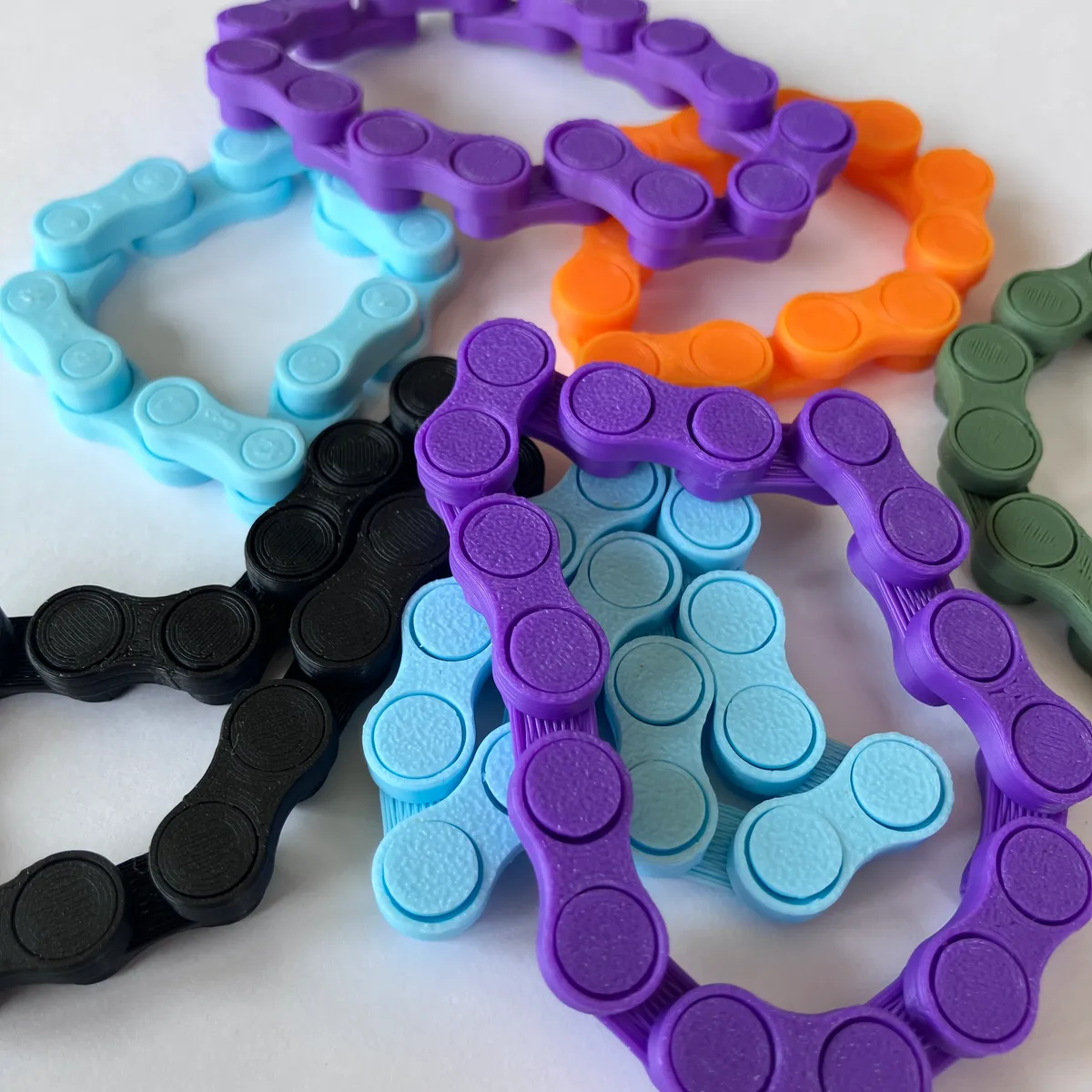
- Articulated Fidgets - Endlessly manipulatable
- Spinners - Meditative watching motion
A Note on Professional Help
Fidget toys are a helpful tool, but they're not a replacement for professional mental health treatment. If anxiety is significantly impacting your life, please speak to a healthcare provider.
That said, fidgets can be a valuable part of your anxiety management toolkit - a simple, affordable, side-effect-free option that you can use anywhere.
Find the Perfect Fidget for Your Child
Browse our full collection of ADHD-friendly fidget toys.
Shop All Fidgets