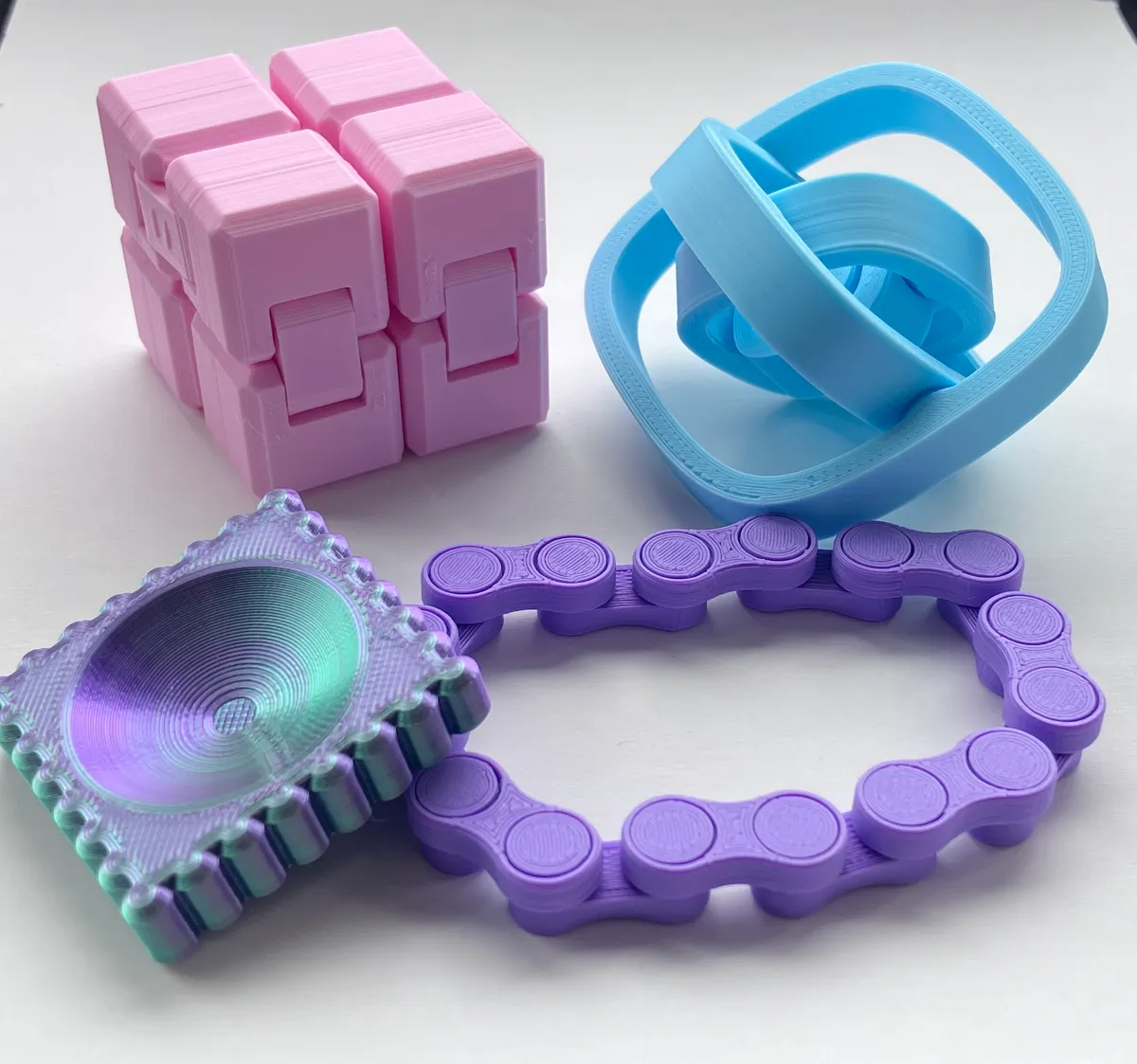
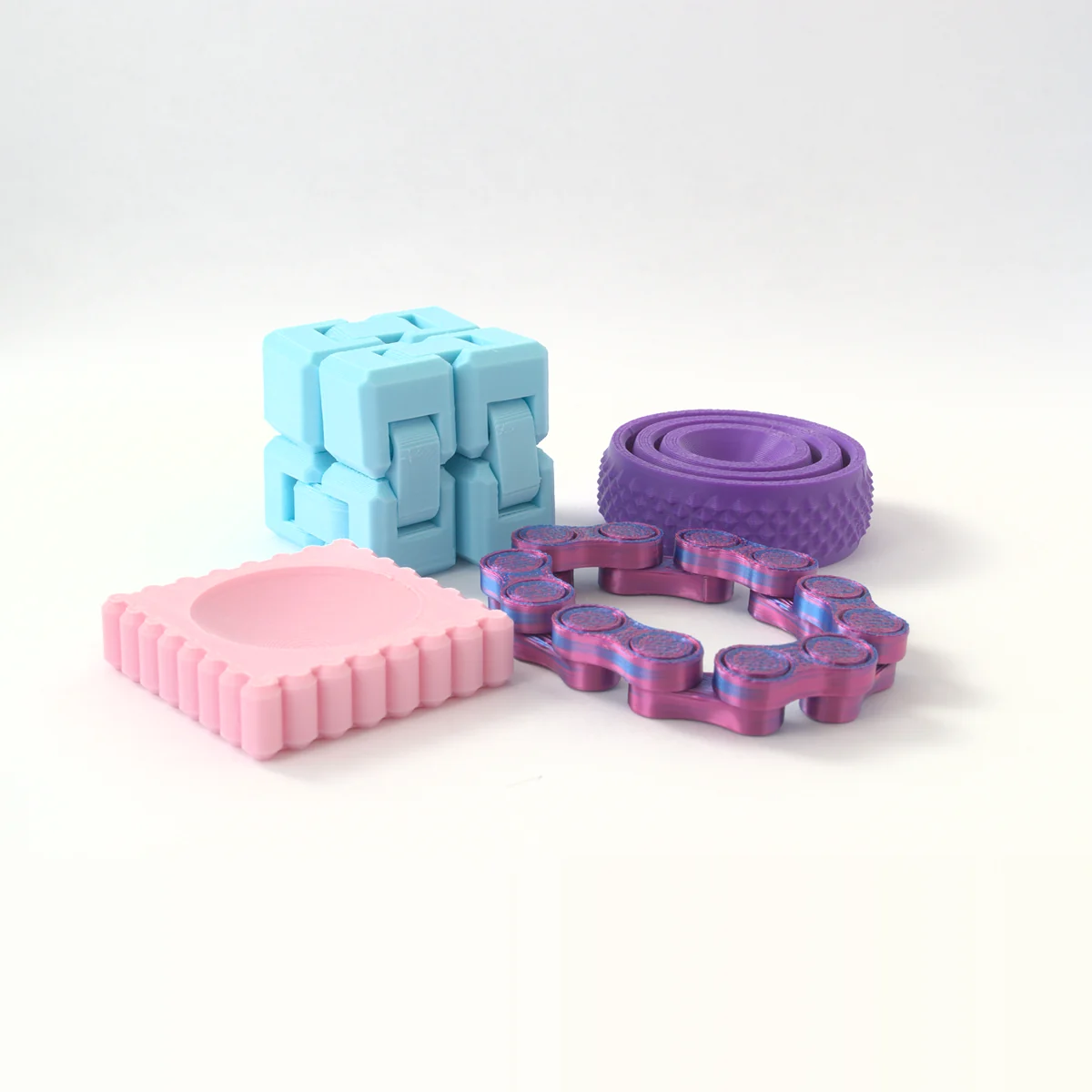
Quick Recommendation
Quiet Fidgets are our top pick for anxiety - silent, soothing, and discreet enough for any situation.
Shop Quiet FidgetsFidget Toys for Anxiety: A Complete Guide
Everything you need to know about using fidgets to manage anxiety, from the science to practical techniques.

Anxiety affects millions of people in the UK. While fidget toys aren't a cure, they can be a valuable tool in your anxiety management toolkit. This guide covers everything you need to know.
Important: Fidget toys are a coping tool, not a treatment for anxiety disorders. If anxiety significantly impacts your daily life, please consult a healthcare professional.
Understanding Anxiety and Fidgeting
Anxiety creates excess nervous energy in your body. Your brain enters a heightened state of alertness, releasing adrenaline and cortisol. This "fight or flight" response evolved to help us escape danger - but modern anxiety often has no physical outlet.
Fidgeting provides that outlet. The repetitive physical motion helps discharge nervous energy, redirects anxious thoughts, and activates the parasympathetic nervous system (your "calm down" system).
How Fidgets Help with Anxiety
Physical Release
Converts nervous energy into productive movement
Sensory Grounding
Anchors you to the present moment through touch
Thought Interruption
Breaks anxious thought spirals by occupying part of your attention
Self-Soothing
Repetitive motion activates calming nervous system responses
Types of Anxiety and Best Fidgets
Generalised Anxiety
Constant low-level worry benefits from continuous, automatic fidgets that don't require thought:
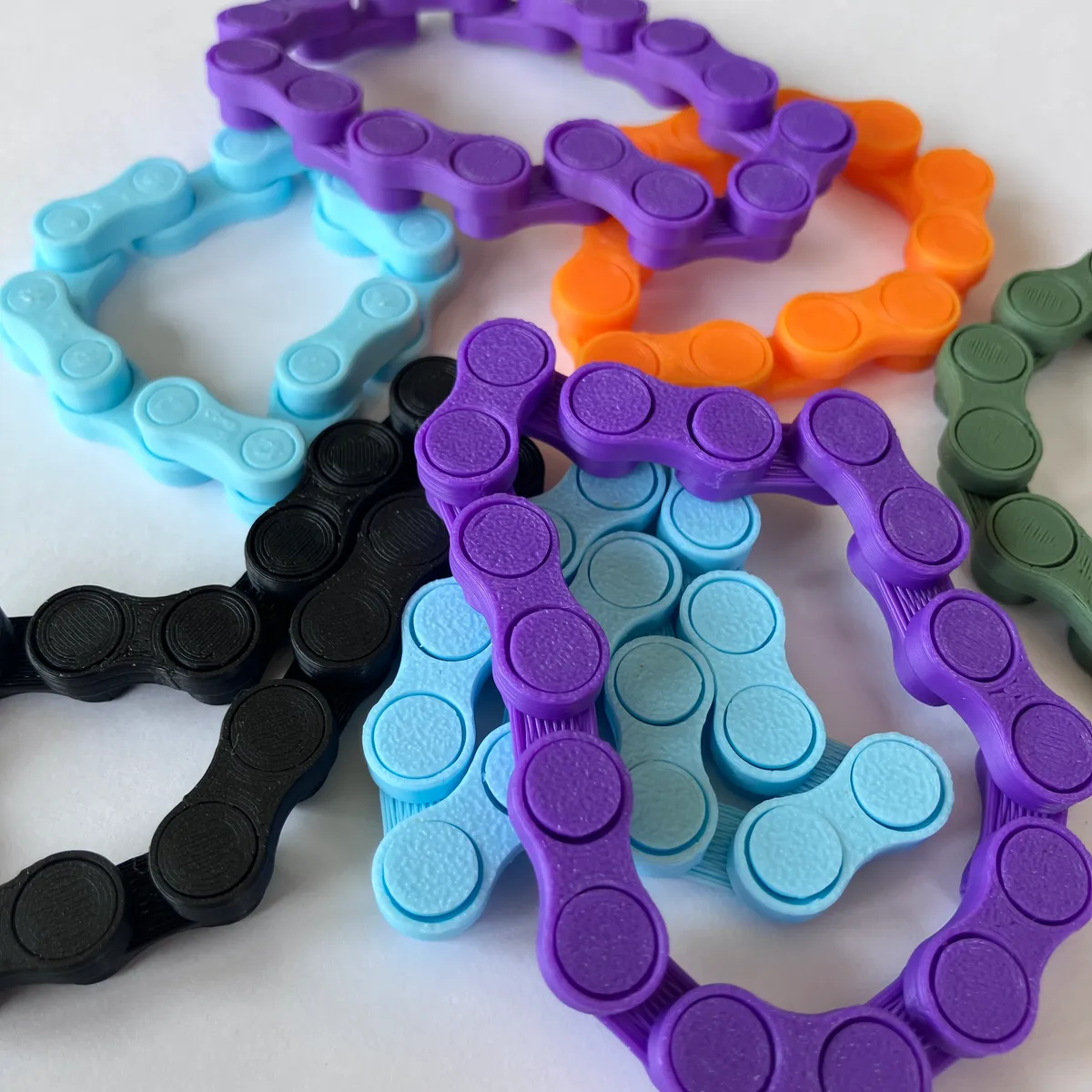
- Quiet Fidgets - Smooth, repetitive motion
- Spinners - Meditative watching and spinning
- Texture fidgets - Tactile grounding
Social Anxiety
Need discreet fidgets that won't draw attention:
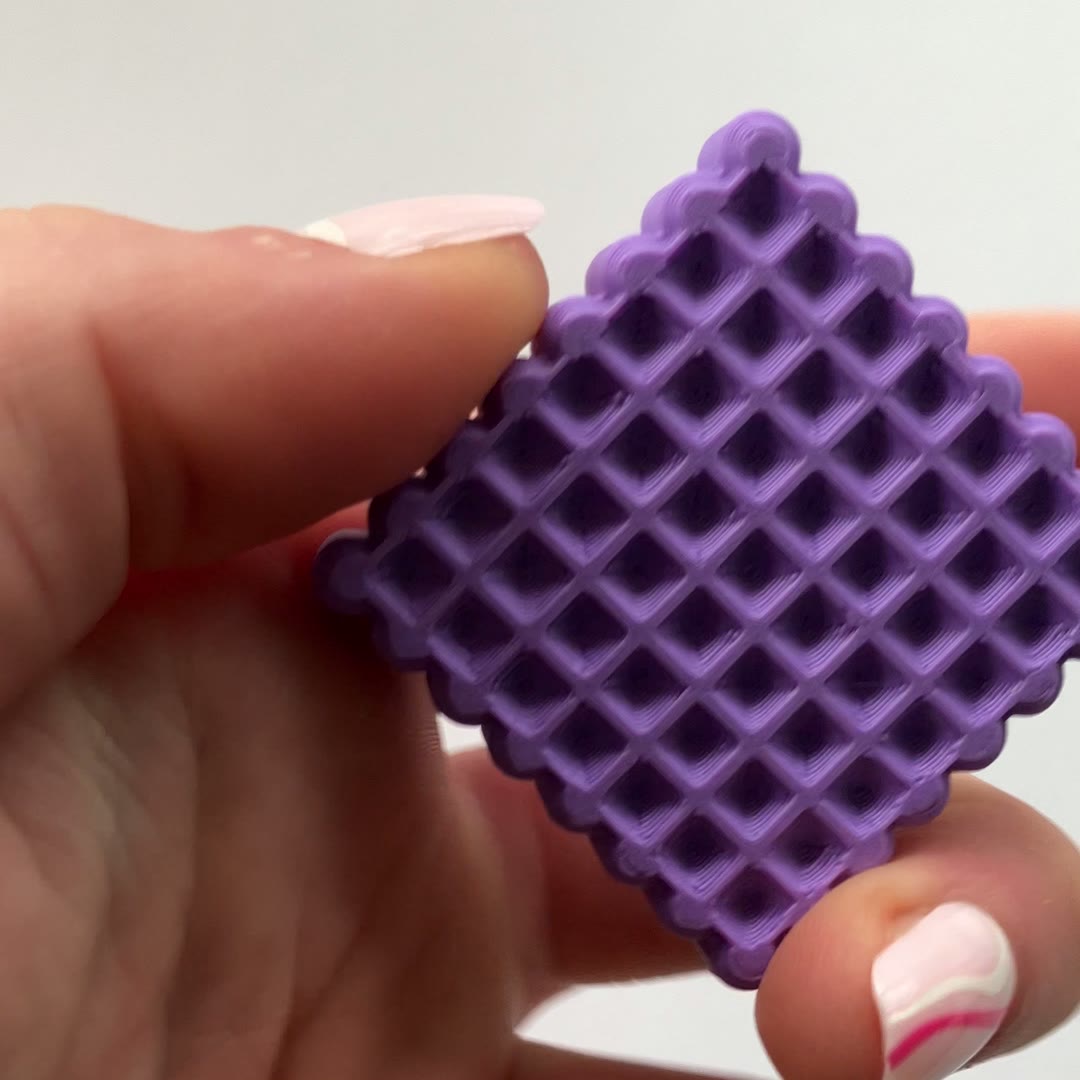
- Worry Waffle - Hide in pocket or hand
- Quiet Fidgets - Silent and discreet
- Small texture fidgets
Anxious Habits (Nail Biting, Skin Picking)
Need fidgets that occupy hands with similar sensations:
- Articulated Fidgets - Keep fingers busy
- Cubes - Multiple textures and actions
- Peelable fidgets
Fidgeting Techniques for Anxiety
The 5-4-3-2-1 Technique
A grounding exercise that works brilliantly with fidgets:
- 5 things you can see - Look at your fidget's details
- 4 things you can touch - Feel different textures on your fidget
- 3 things you can hear - Listen to any subtle sounds
- 2 things you can smell
- 1 thing you can taste
Rhythmic Breathing
Sync your fidgeting to your breath:
- Breathe in for 4 counts while moving fidget one way
- Hold for 4 counts while pausing
- Breathe out for 4 counts while moving fidget back
Progressive Engagement
Start with simple motions, gradually increase complexity:
- Simple repetitive motion (spinning, squeezing)
- Add variation (different speeds, patterns)
- Engage problem-solving (shapeshifters, puzzles)
Best Fidgets for Anxiety by Situation
| Situation | Best Fidget Type | Why |
|---|---|---|
| At work | Quiet Fidgets | Silent and professional |
| In meetings | Small texture fidgets | Can use under table |
| At home | Articulated | Most engaging |
| Commuting | Worry Waffle | Always with you |
| Before sleep | Smooth textures | Calming, not stimulating |
| During panic | Strong textures | Grounding sensory input |
Building a Fidget Toolkit for Anxiety
We recommend having multiple fidgets for different situations:
The Essential Anxiety Toolkit:
- 1 pocket fidget - Always with you (Worry Waffle)
- 1 desk fidget - For work/home (quiet fidget)
- 1 engaging fidget - For high anxiety moments (articulated)
- 1 variety fidget - Multiple options (fidget cube)
Common Questions
Will fidgeting make my anxiety worse?
For most people, no. Fidgeting channels anxious energy rather than suppressing it. However, if you find a particular fidget increases your anxiety (too stimulating, frustrating to use), try a different type.
Should I fidget during therapy?
Many therapists encourage fidgeting during sessions - it can help you process difficult emotions. Ask your therapist if you're unsure.
Is it okay to fidget in public?
Yes. Quiet, discreet fidgeting is increasingly normalised. If you're self-conscious, choose smaller fidgets that look like ordinary objects.
How long until I see benefits?
Most people notice some benefit immediately. The calming effect of fidgeting is physical and instant. However, learning which fidgets work best for you takes experimentation.
The Bottom Line
Fidget toys are a simple, affordable, side-effect-free tool for managing anxiety. They won't cure anxiety disorders, but they can help you:
- Release nervous energy
- Stay grounded in the present
- Break anxious thought patterns
- Replace harmful habits with harmless ones
- Self-soothe in stressful situations
Start with one fidget that appeals to you, and experiment from there. Everyone's anxiety is different, and finding your perfect fidget is part of the process.
Find the Perfect Fidget for Your Child
Browse our full collection of ADHD-friendly fidget toys.
Shop All Fidgets