Buying Fidget Toys for a Whole Class or SEN Department
A practical guide for teachers, SENCOs and teaching assistants kitting out a class or a department.
· 5 min read

The short answer
For a classroom, buy quiet fidgets first. Textured grip and worry-stone style fidgets are silent, and flexi animals or linkloop chains make only a faint sound the user hears. Keep clickers for break time or a calm-down corner. You rarely need one per child. Start with enough for the pupils who use them every day plus a few spares, kept in a labelled fidget box with simple rules.
Quiet or clicky fidgets for the classroom?
Quiet, almost always. A clicker can be exactly what one pupil needs, and thirty of them going at once during silent reading is something nobody needs. In a lesson the best fidgets are the ones the rest of the class never notices.
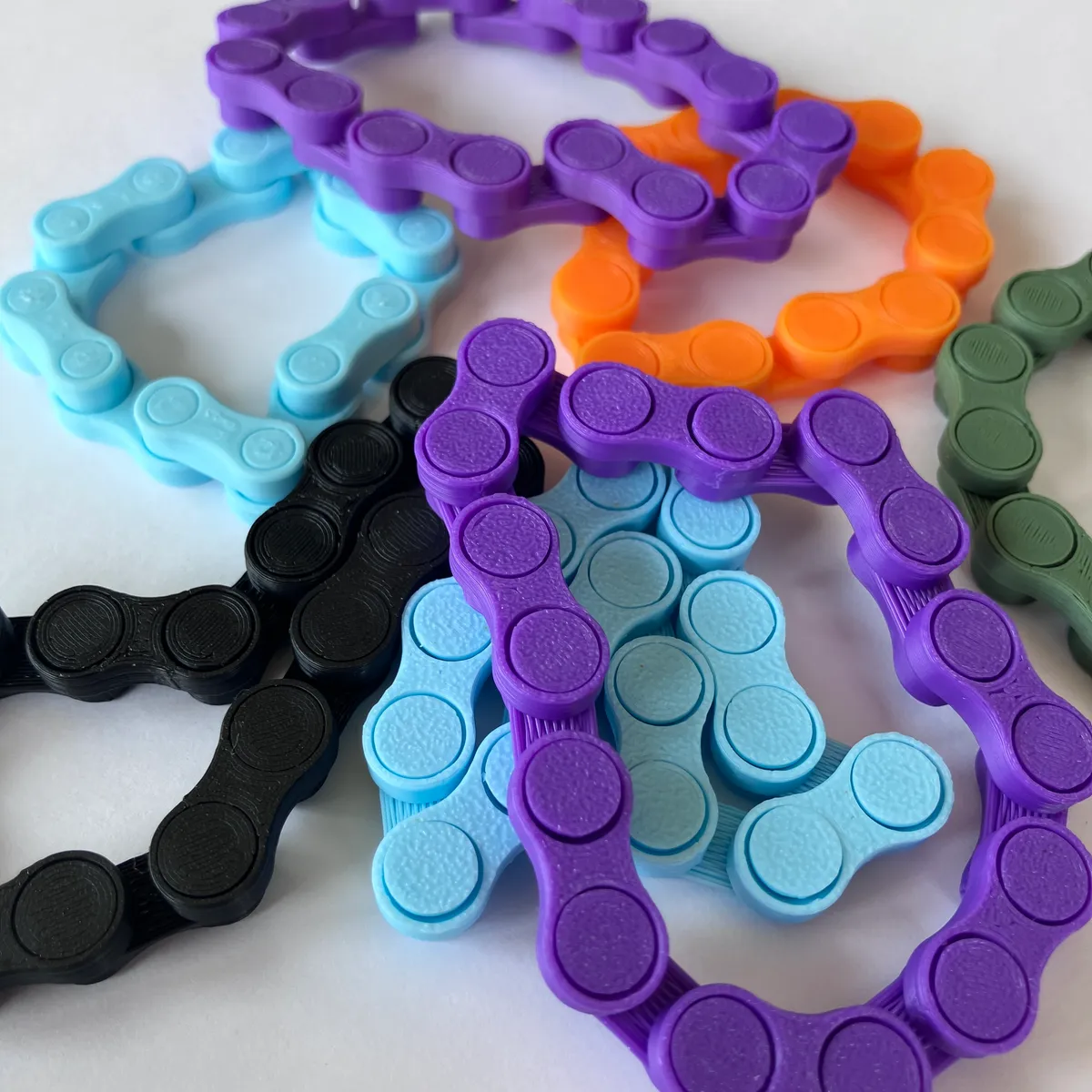
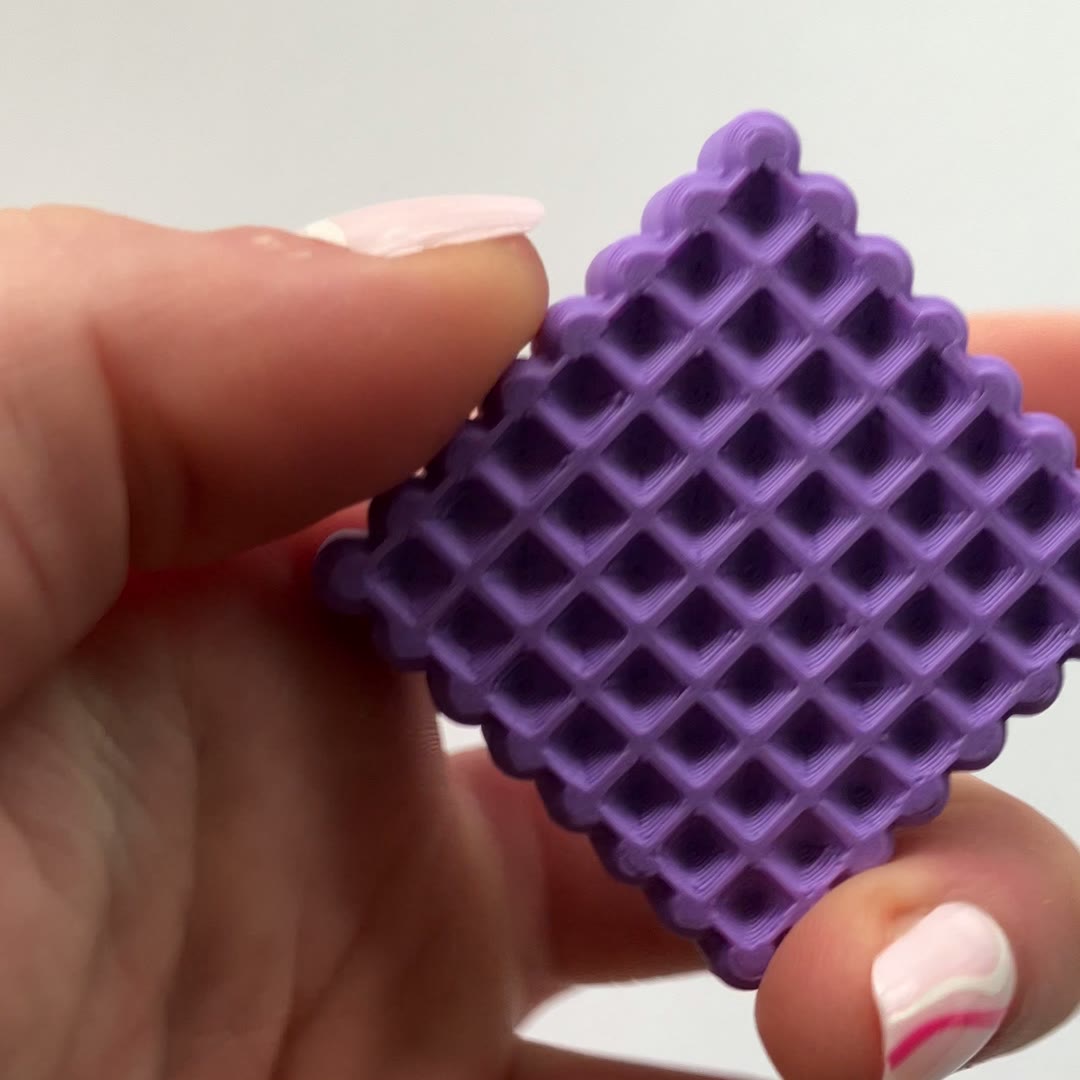
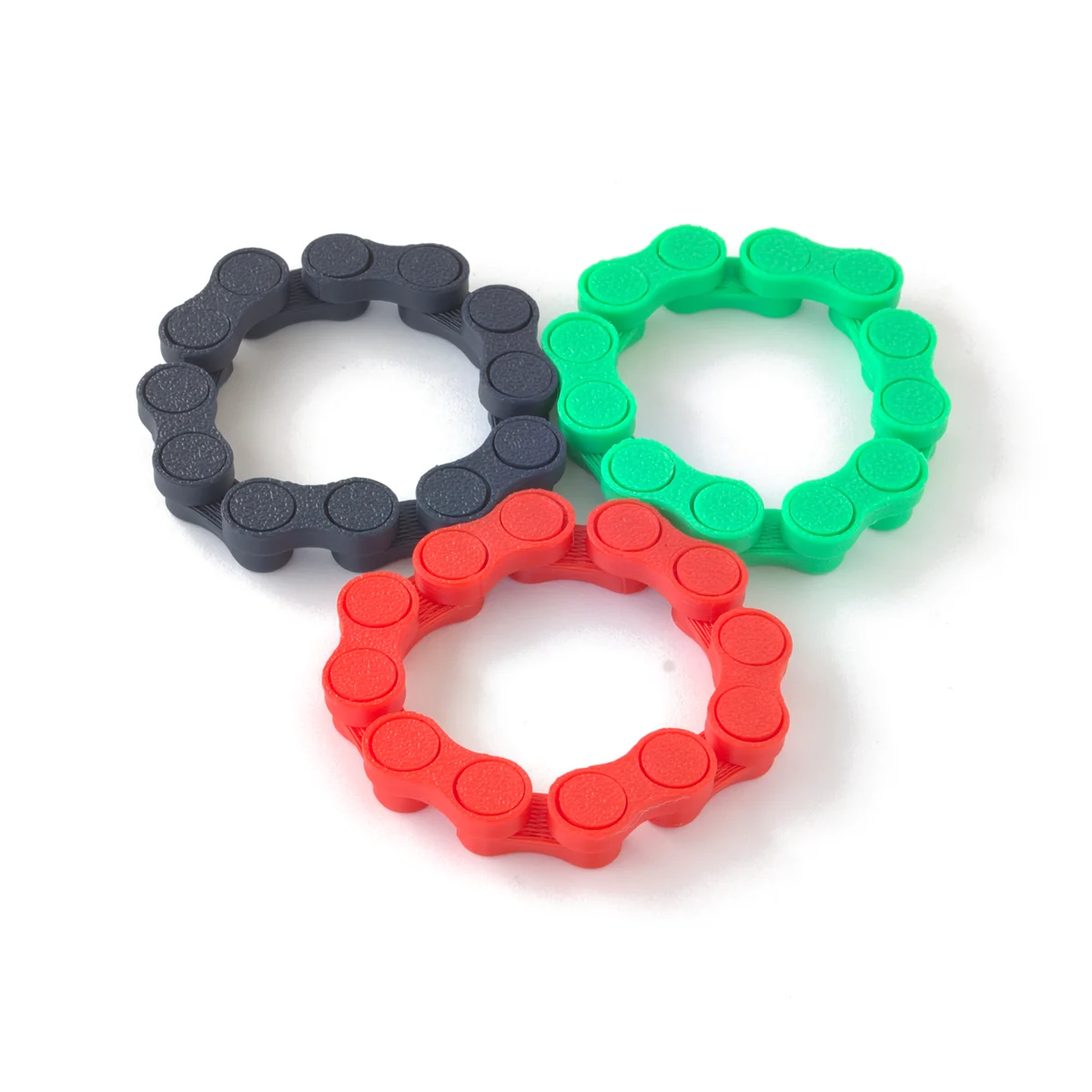
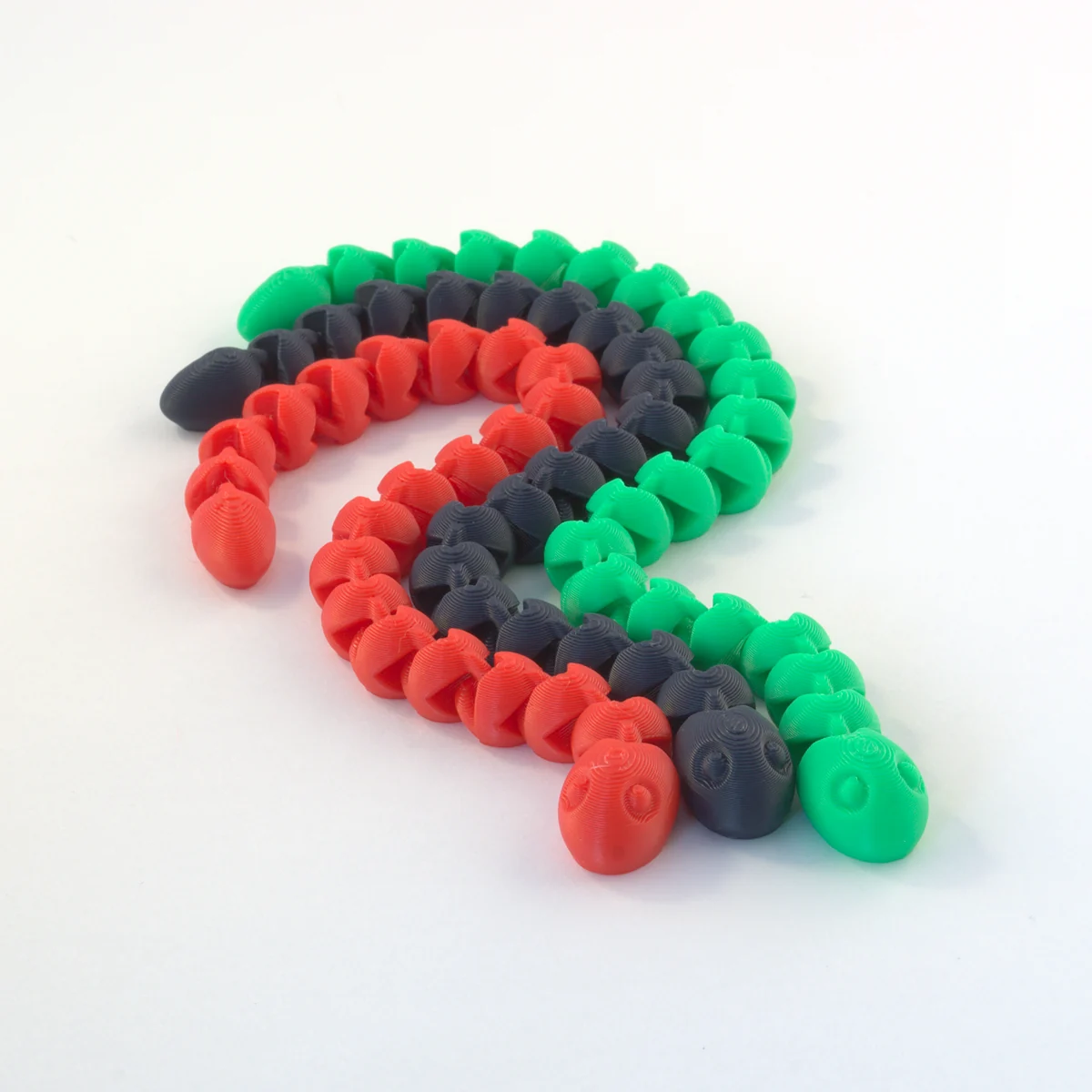
We give every product a noise level, and our noise level guide explains the three bands. The silent ones are the textured grip fidgets and the smooth worry-stone style fidget, which make no sound at all. Flexi animals, linkloop chains, spinners and the infinity cube sit in the soft band: a faint sound the person holding it can hear, and nobody across the table can.
Spinners deserve a small warning of their own. They're quiet enough, but some children find them hard to put down and end up watching the spin instead of the board. They tend to suit older pupils better than a busy Year 3.
Clickers still have a place. They work well in a calm-down corner, at break, or for a pupil working one-to-one with a TA in a separate room.
How many fidget toys does a class need?
Fewer than you'd think. In most classes a handful of pupils use a fidget daily, and a few more want one on a hard day. Buying for the whole register usually means a drawer of untouched toys by Christmas.
A sensible first order is one fidget each for the pupils who rely on them, plus four or five spares in the box. For an SEN base or a department shared between rooms, a mix of types matters more than the number, because what settles one child irritates another. Trios and multipacks are handy here. They give you a few different textures to try before you buy more of whatever the children actually reach for.
Setting up a classroom fidget box
A box with a lid and a home on a shelf does a lot of the managing for you. Here's a system that tends to hold up past the first week:
- Named fidgets for regular users. A pupil who uses one every day keeps their own, labelled with their name or initials on a bit of tape.
- A shared set for everyone else. Pupils borrow from the box and put it back at the end of the lesson.
- A quick count at tidy-up. It takes seconds, and it stops the box slowly emptying into coat pockets.
- A clear "it's become a toy" rule. If a fidget is being thrown about or used to wind up a friend, it goes back in the box for the rest of the lesson. No drama, no lecture.
Our guide to how teachers use fidgets in the classroom goes into ground rules in more depth, and fidgeting and focus for parents and teachers covers why it helps some children concentrate.
Hygiene and sharing fidget toys in school
Fidgets spend all day in hands, so a little routine goes a long way. Keep daily users on their own named fidget rather than sharing. Wipe the shared ones down regularly, and take a fidget out of circulation for a clean if it's gone near a mouth or a runny nose. Our toys are hard PLA plastic with no fabric or filling, which makes them easier to keep clean than soft toys. We've written a separate guide on how to clean fidget toys.
One rule to keep firmly in mind if you work with younger or SEN pupils who still mouth objects: our toys are not suitable for children under 36 months because they contain small parts. Supervise closely, and pick larger one-piece fidgets for any child who puts things in their mouth.
Budget and ordering fidget toys through school
Most class sets come out of a small pot, so it's worth spending it on the fidgets that will get used. Start small, see which types the children reach for, and top up with more of those next term. Fidgets under £10 cover most classroom needs, and multipacks bring the cost per toy down further.
If your school needs to pay by invoice or order for a whole department, our bulk and school orders page explains how it works, and you can get in touch with what you need. Every toy we make is 3D-printed by us in Kent, carries the UKCA mark and is made to the UK toy safety standard, BS EN 71, which is worth having to hand when the bursar asks.
Questions people ask
What are the best fidget toys for a classroom?
Quiet ones. Textured grip fidgets and smooth worry-stone style fidgets make no sound, and flexi animals and linkloop chains make only a faint sound. Save clickers for break time or a calm-down corner.
How many fidget toys should a teacher buy for a class?
Usually one each for the pupils who use a fidget every day, plus four or five spares in a shared box. Most classes do not need one per child.
How do you stop fidget toys becoming a distraction in class?
Keep them in a fidget box with a clear rule: if a fidget is thrown about or used to distract someone, it goes back in the box for the rest of the lesson.
Should children share fidget toys at school?
Pupils who use one every day are better off with their own named fidget. A shared set from the box works for occasional users, as long as the toys are wiped down regularly.
Can a school pay for fidget toys by invoice?
Yes. Our bulk and school orders page explains how invoiced orders work, and you can contact us with what your school needs.
Kitting out a whole department?
Tell us what your school needs and we'll explain how bulk and invoiced orders work.
Bulk and school orders