How Teachers Use Fidgets in the Classroom
Real strategies from educators who've made fidgets work - not become distractions.

Fidget toys can be a powerful classroom tool - or a complete disaster. The difference comes down to how they're implemented.
We surveyed over 50 UK teachers who successfully use fidgets in their classrooms. Here's what actually works.
The Ground Rules That Work
1. Silent Fidgets Only
The number one rule across every successful classroom: no noise. Any clicking, popping, or rattling becomes a distraction for everyone.
Teacher-Approved Quiet Fidgets:
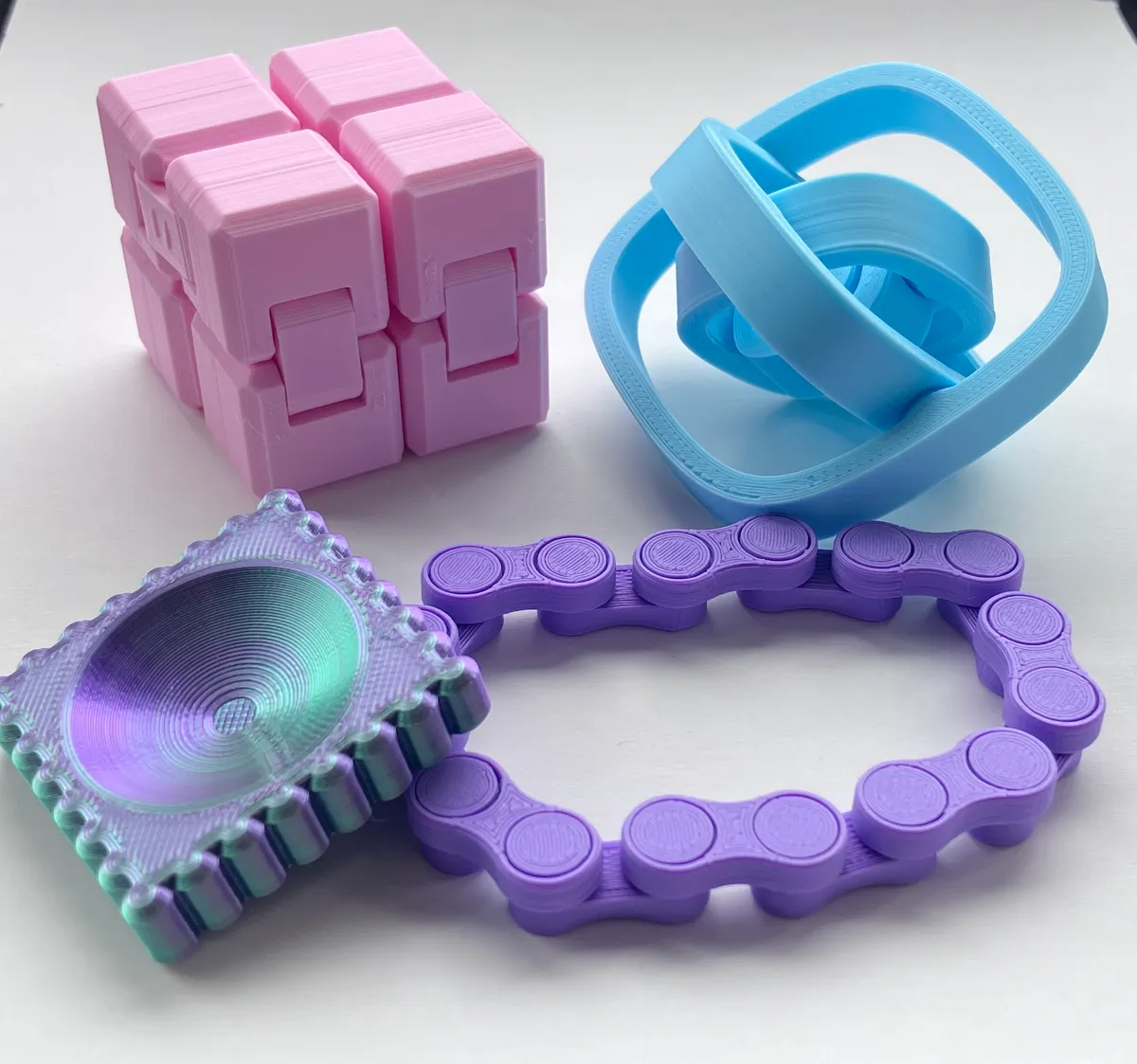
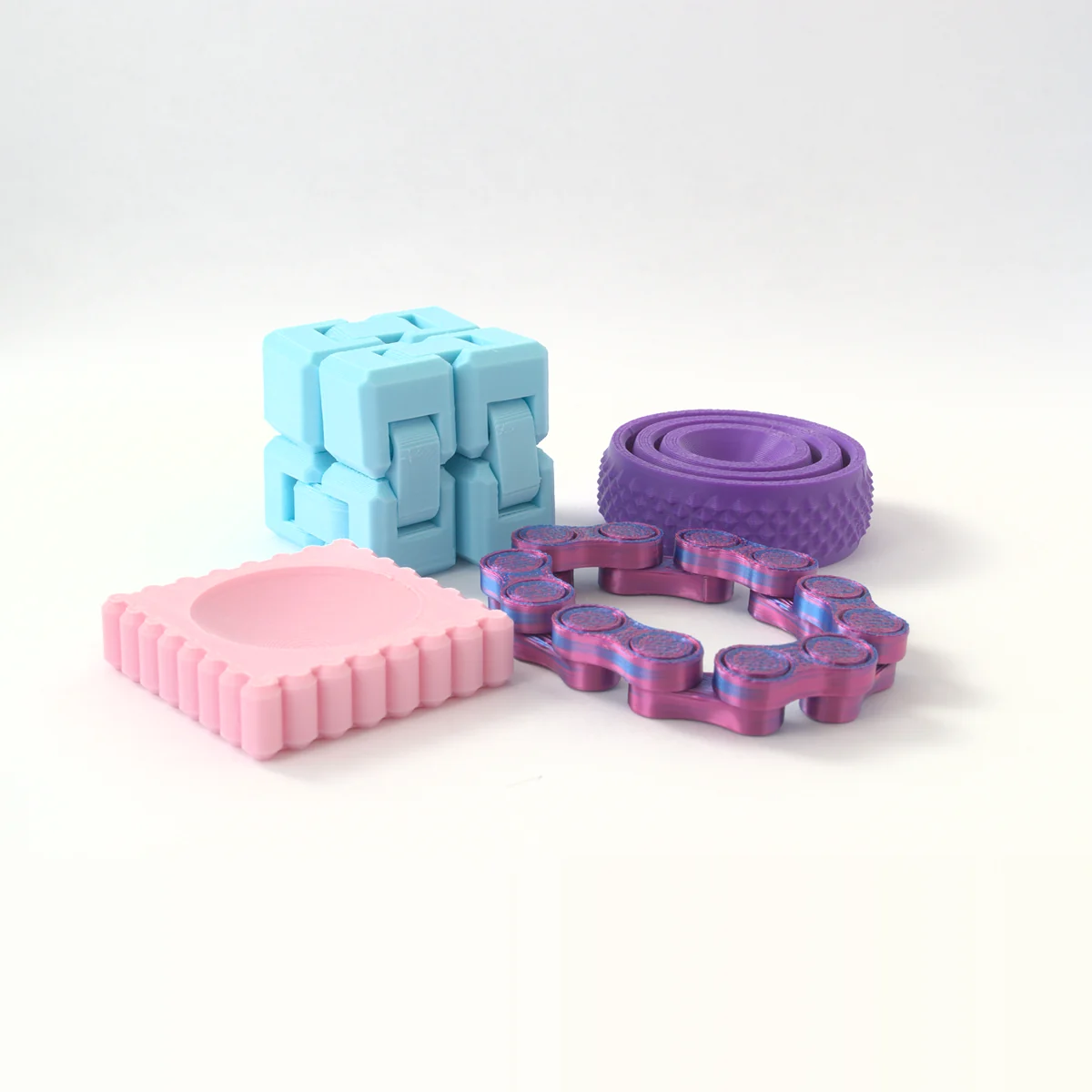
- • Articulated toys (jointed figures)
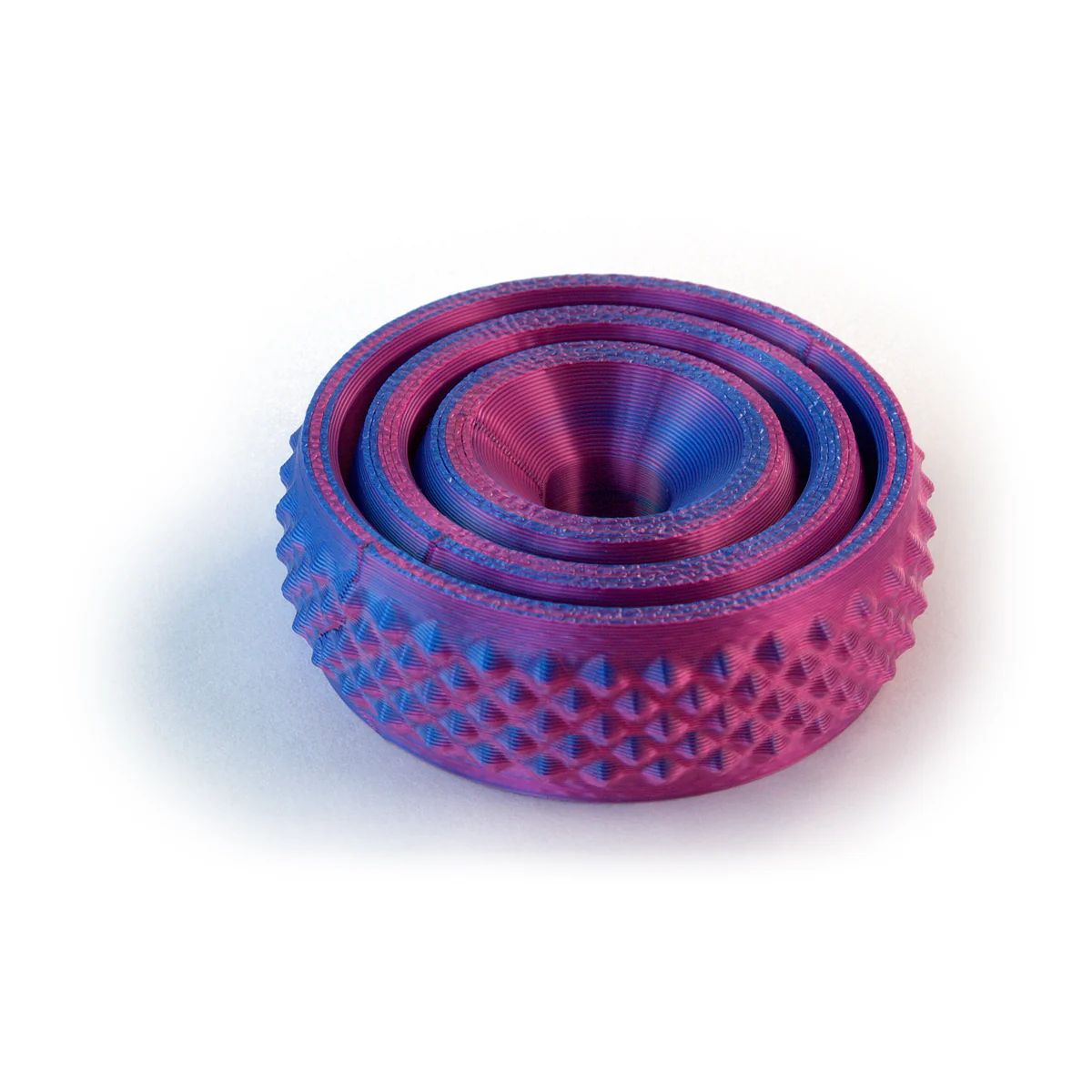
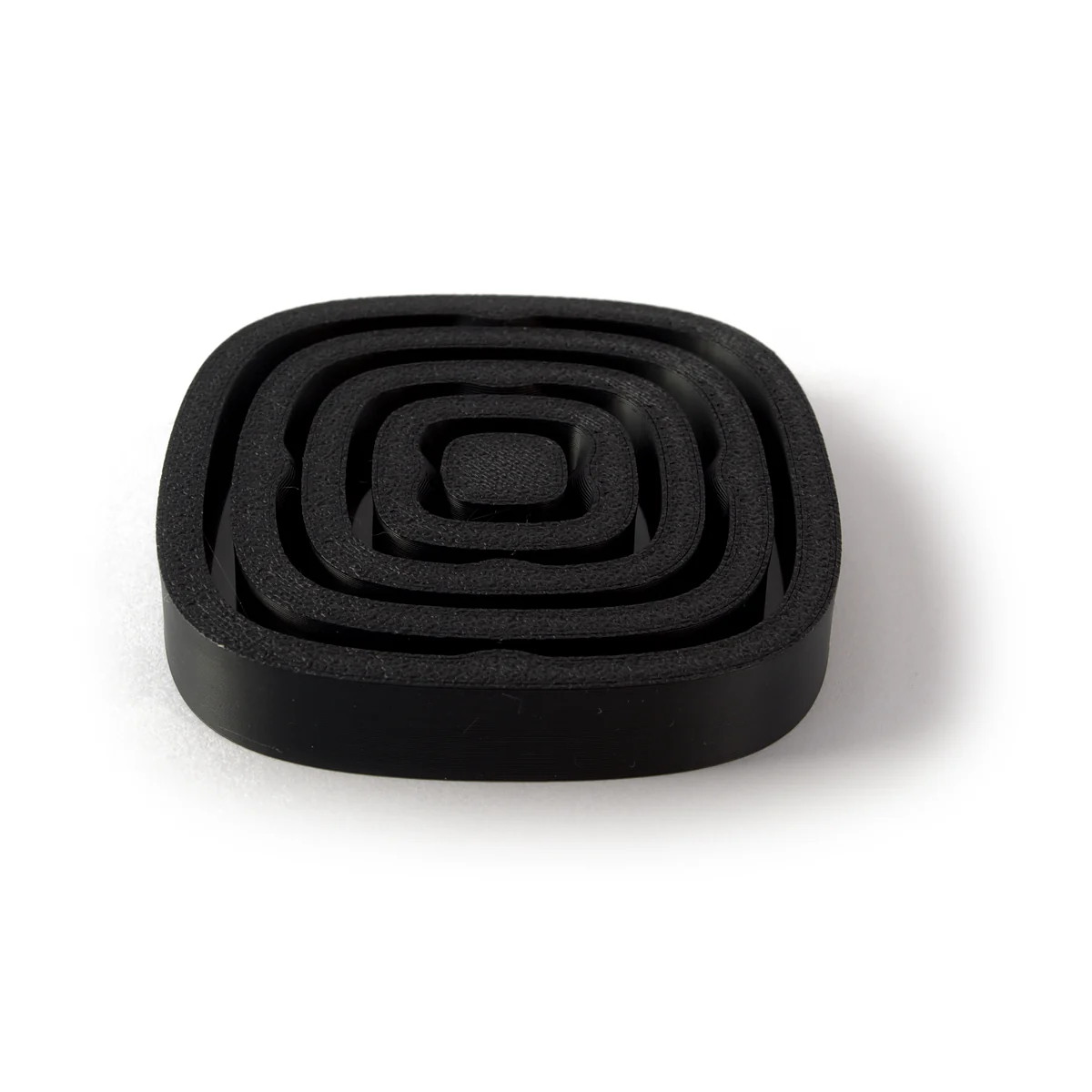
- • Quiet fidgets (specifically designed silent)
- • Worry Waffle (small, portable and silent)
- • Flexi Snake
2. Below the Desk
Fidgets should stay out of sight - in the lap or under the desk. This prevents them from becoming a visual distraction and keeps the focus on learning.
3. Tools, Not Toys
Frame fidgets as "focus tools" rather than "toys." This language shift helps students understand the purpose and reduces showing-off behaviour.
4. Not for Sharing
Each student's fidget is personal. Sharing leads to trading, comparing, and social drama - none of which helps focus.
Implementation Strategies
Option 1: Classroom Set
Many teachers keep a class set of approved fidgets. Students can borrow one when needed, then return it. This ensures quality control and prevents "fidget wars."
Bulk Buying Tip:
Order 30+ Worry Waffles or quiet fidgets for a cost-effective classroom set. Contact us for school pricing.
Option 2: Approved List
Some teachers send home a list of approved fidget types. Students bring their own, but only if it meets the criteria (silent, discreet, approved by teacher).
Option 3: Needs-Based
In some classrooms, only students with EHCP plans or documented focus needs use fidgets. This avoids the "everyone wants one" issue but can stigmatise students who need them.
What Teachers Say Works Best
"Articulated toys are brilliant. Kids can manipulate them endlessly without any noise, and they're engaging enough to actually help focus."
"I tried fidget spinners and it was chaos. Switched to texture fidgets - they're boring enough not to be distracting but still helpful."
"The key is introducing them properly. We did a whole PSHE lesson on why some brains need movement to focus. No more mockery after that."
When Fidgets Don't Work
Fidgets aren't for everyone or every situation:
- Some students find them more distracting - That's okay, they're not compulsory
- Group activities - Fidgets work best for individual focus work
- Tests (sometimes) - Some students focus better, others get distracted
For Parents: Preparing for School
If your child wants to use a fidget at school:
- Check with the teacher first
- Choose a silent, appropriate fidget
- Practice using it discreetly at home
- Have a backup (fidgets get lost)
- Name it clearly
Find the Perfect Fidget for Your Child
Browse our full collection of ADHD-friendly fidget toys.
Shop All Fidgets