Are Fidget Toys Allowed in School?
Every school sets its own rules on fidget toys. Here's why some say no, and how to have the conversation if your child needs one.
· 5 min read

The short answer
It depends on the school, and often on the teacher. Some ban fidget toys because of noise and trading, while plenty allow a quiet one for children who need it. The best route is to ask the class teacher or the SENCo for one quiet, discreet fidget and agree how it will be used.
Why do some schools ban fidget toys?
It usually comes down to what happened the last time fidgets were everywhere. When a craze sweeps a playground, teachers end up running a lesson over the sound of clicking and spinning, with toys flying off desks and arguments over whose is whose.
The common complaints are worth knowing, because they're what you'll be reassuring the teacher about:
- Noise. One clicker is fine. A table of them isn't.
- Distraction. A toy that's fun to watch pulls in the children sitting nearby as well.
- Trading and losing. Swaps and lost toys turn into playground fallouts that land on the teacher's desk.
So a blanket ban is often less about fidgeting and more about crowd control. Many schools that ban fidgets as toys will still make room for one when a child genuinely needs it.
How to ask your child's teacher about a fidget toy
A short, friendly message to the class teacher is the place to start. If your child already has extra support in school, copy in the SENCo (the teacher who coordinates special educational needs).
It helps to cover:
- What you've noticed. For example, that your child concentrates better on homework with something in their hands, or fiddles with their sleeves and pencil case when they're anxious.
- What you're asking for. One specific fidget, kept in their tray or pencil case and used during lessons.
- What you'll do if it causes a problem. Offering to swap it for something quieter, or take it home, goes a long way.
Teachers say yes more easily to something small and specific than to "can they bring fidget toys in". If they say no, ask what would be acceptable instead. Some classrooms keep their own fidget box, and our guide for parents and teachers on fidgeting and focus may be a useful thing to share.
What kind of fidget toy will a school accept?
The one the teacher won't notice. That's a good test for anything you send in.
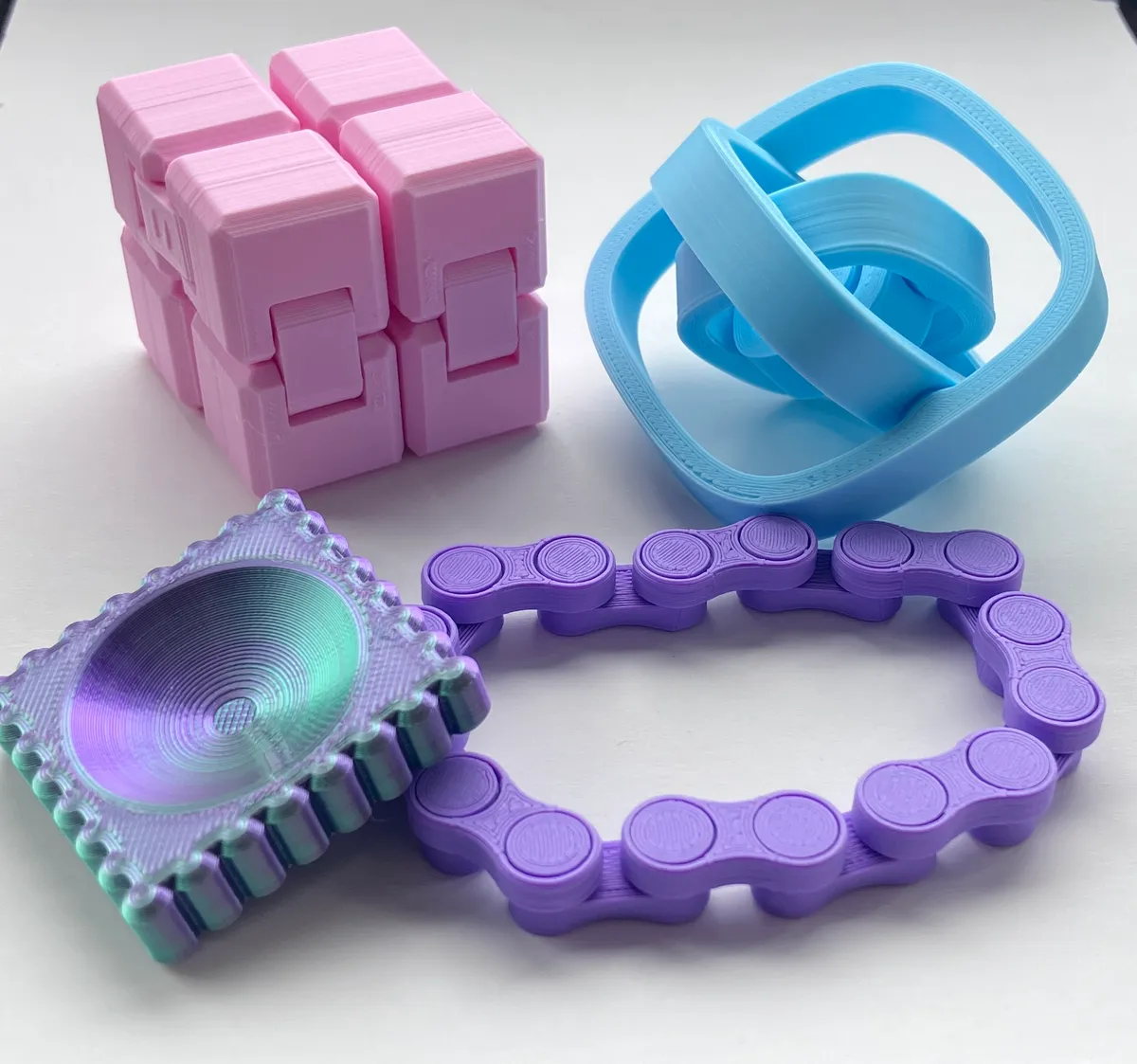
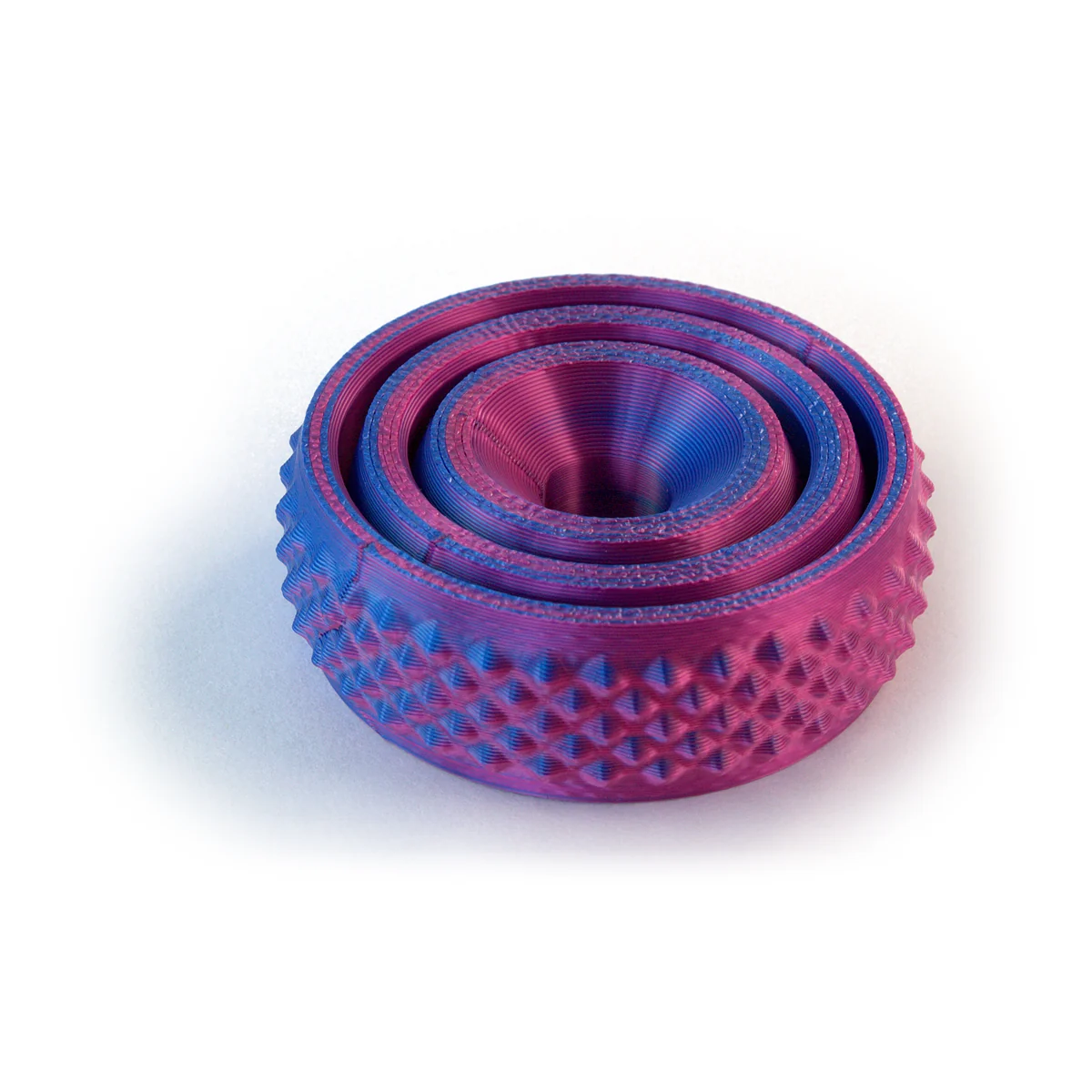
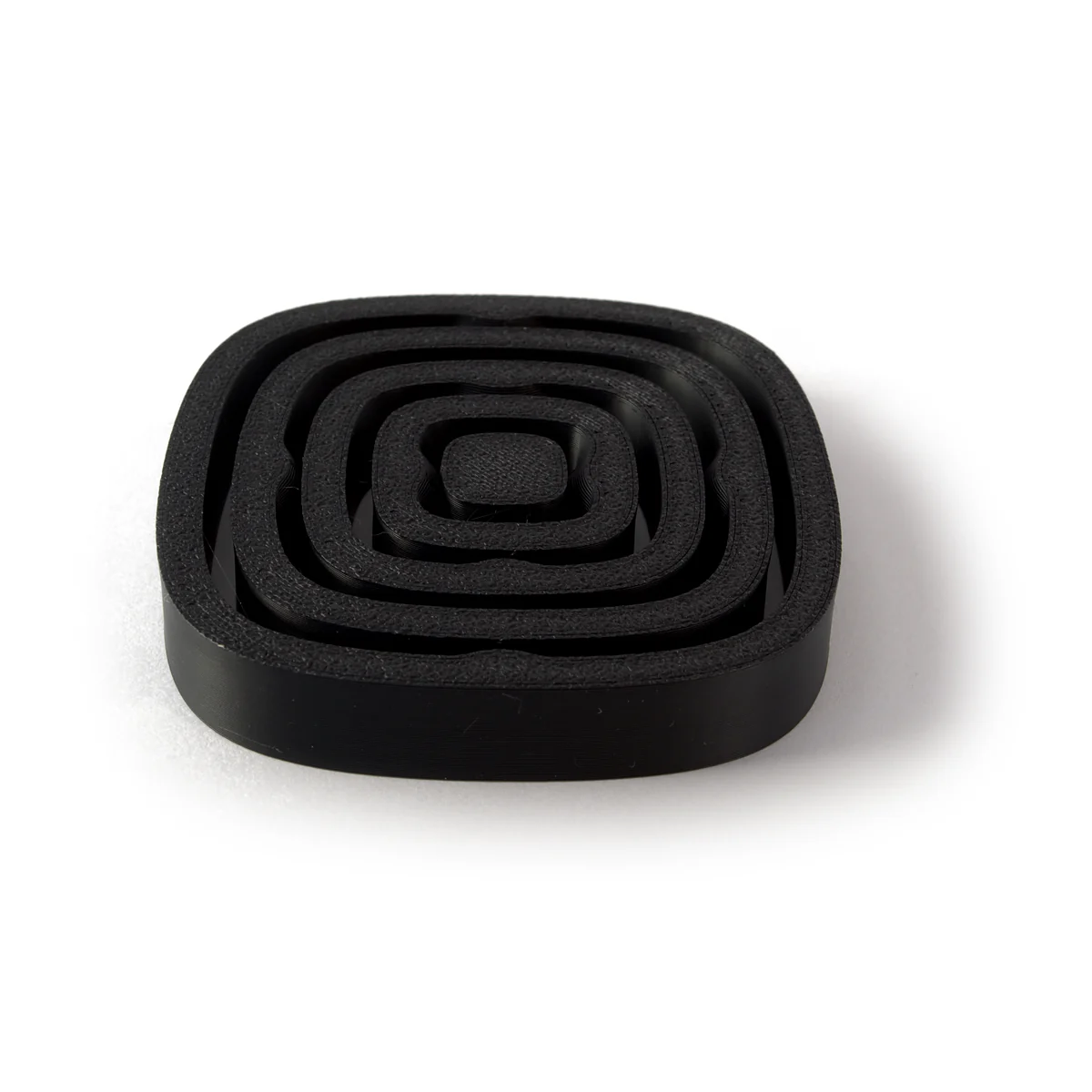
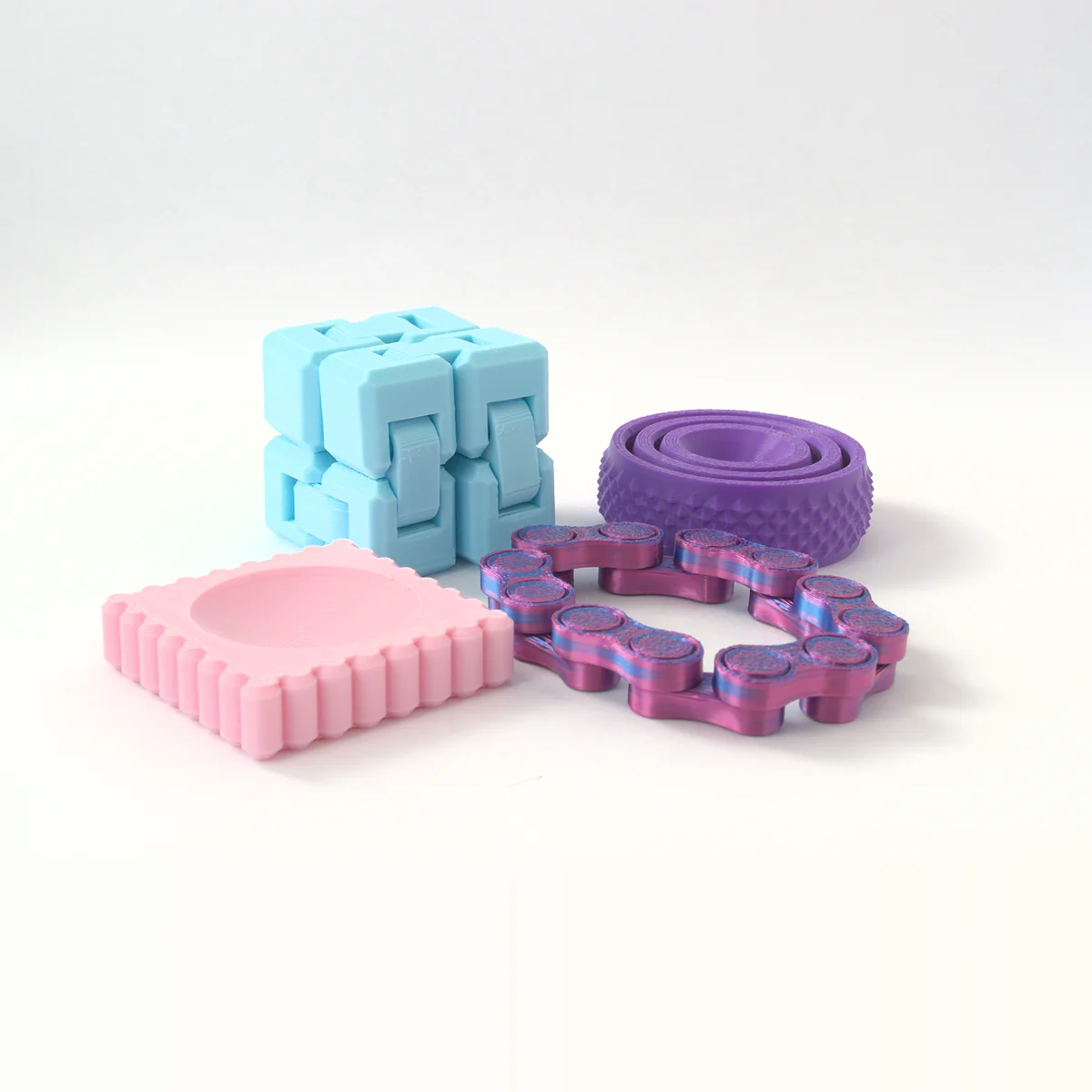
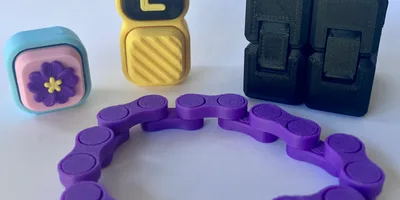
- Quiet. Textured grip fidgets and smooth worry-stone style fidgets make no sound at all. Clickers click, so leave those at home for after school. Our noise level guide shows where each type sits.
- Discreet. Small enough to sit in a hand or under the desk, and not so eye-catching that the whole table wants a go.
- Just one. A single fidget is easier for a teacher to agree to than a collection, and less likely to get swapped.
- Named. A bit of tape with their name on it saves a lot of "that's mine" at home time.
Our toys are not suitable for children under 36 months because they contain small parts, which matters if there are younger siblings at home or in a nursery class nearby.
Fidget toys, SEN support and EHC plans
If your child has special educational needs, a fidget can be part of a bigger conversation about how school supports them. In England, the government's guide to special educational needs support says to talk to the teacher or the SENCo if you think your child needs extra help, such as extra help from a teacher or assistant, or help taking part in class activities.
Children with more complex needs may have an education, health and care (EHC) plan. GOV.UK explains that EHC plans are for children and young people aged up to 25, that parents can ask their local authority for an assessment, and that the local authority will tell you within 16 weeks whether it will make a plan.
A fidget on its own is a small thing and rarely needs a formal plan. Where it helps is in showing how your child works best, which is useful evidence if they later need support in exams. For older children heading towards GCSEs, our guide to fidget toys in exams explains why it pays to start early. If you live in Scotland, Wales or Northern Ireland, ask your child's school how support is arranged there.
What if the school still says no?
Ask why, and ask what they'd suggest instead. Sometimes the answer is a classroom fidget box the teacher looks after. Sometimes it's a rule about when, such as only during independent work. Those can work just as well.
At home, you can still let your child fidget while they read or do homework, and that's often where you'll see whether it really helps them. Bring what you notice to the next parents' evening. A calm conversation with examples tends to get further than a request on its own.
Questions people ask
Are fidget toys allowed in UK schools?
It depends on the school, and often on the teacher. Some ban fidget toys and others allow a quiet one for children who need it. Ask the class teacher or the SENCo.
Why are fidget toys banned in some schools?
Mostly because of noise, and because toys get traded or lost. When fidgets become a playground craze they can disrupt lessons, so some schools ban them as toys while still allowing one for a child who needs it.
How do I ask my child's teacher if they can have a fidget toy?
Send a short message explaining what you have noticed, ask for one specific quiet fidget, and offer to swap or remove it if it causes problems. Copy in the SENCo if your child already has extra support.
What is the best fidget toy to take to school?
A quiet, discreet, single fidget with your child's name on it. Textured grip fidgets and smooth worry-stone style fidgets make no sound. Clickers are best kept for home.
Can a fidget toy be part of an EHC plan?
An EHC plan sets out the support a child with complex needs should get, and it is made by the local authority. A fidget is a small thing that usually does not need a formal plan, but talk to the SENCo about how it fits your child's support.
One quiet fidget for the school bag
Silent and soft fidgets that sit in a pencil case and stay out of the teacher's way.
Shop quiet fidgets